Mother Church
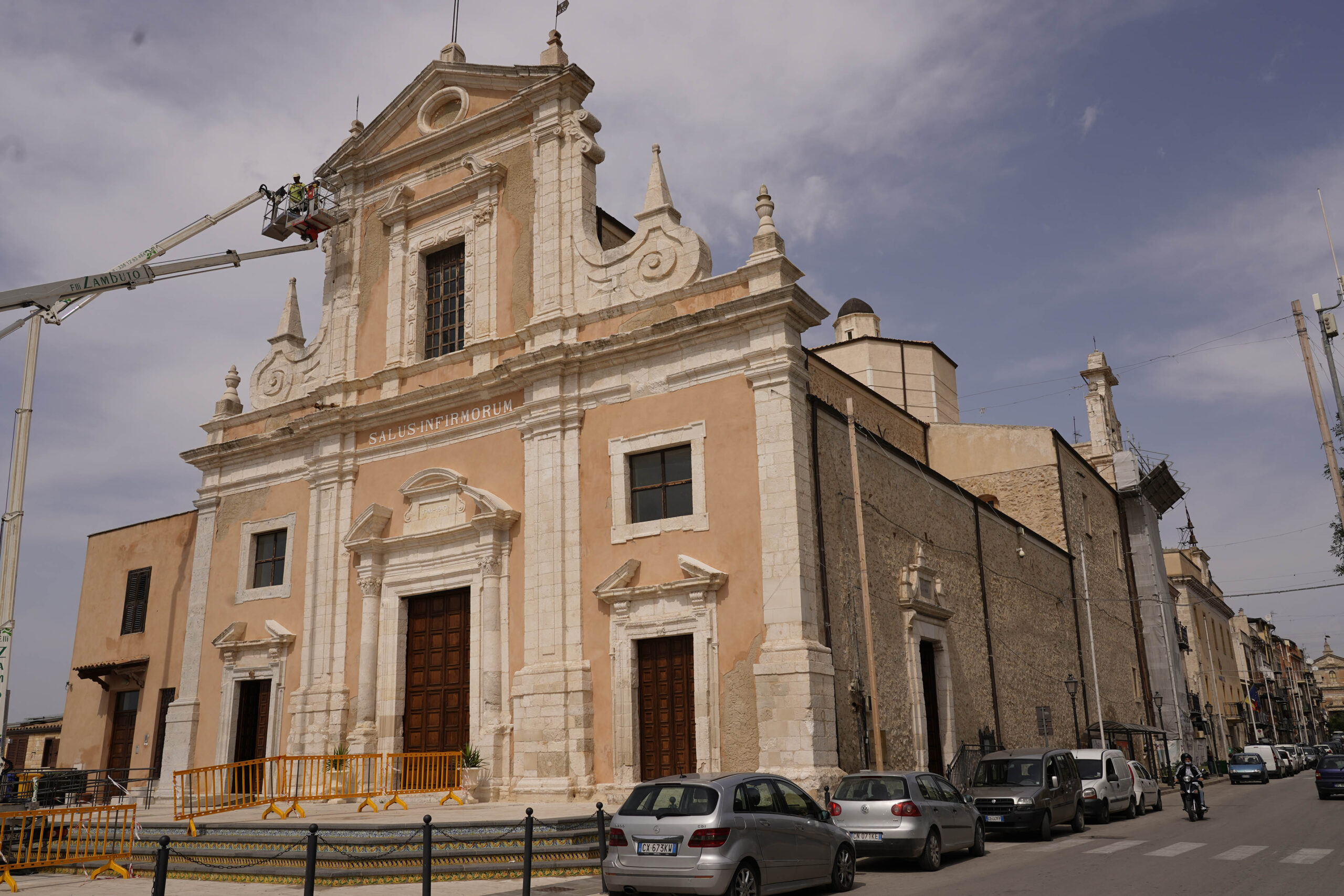
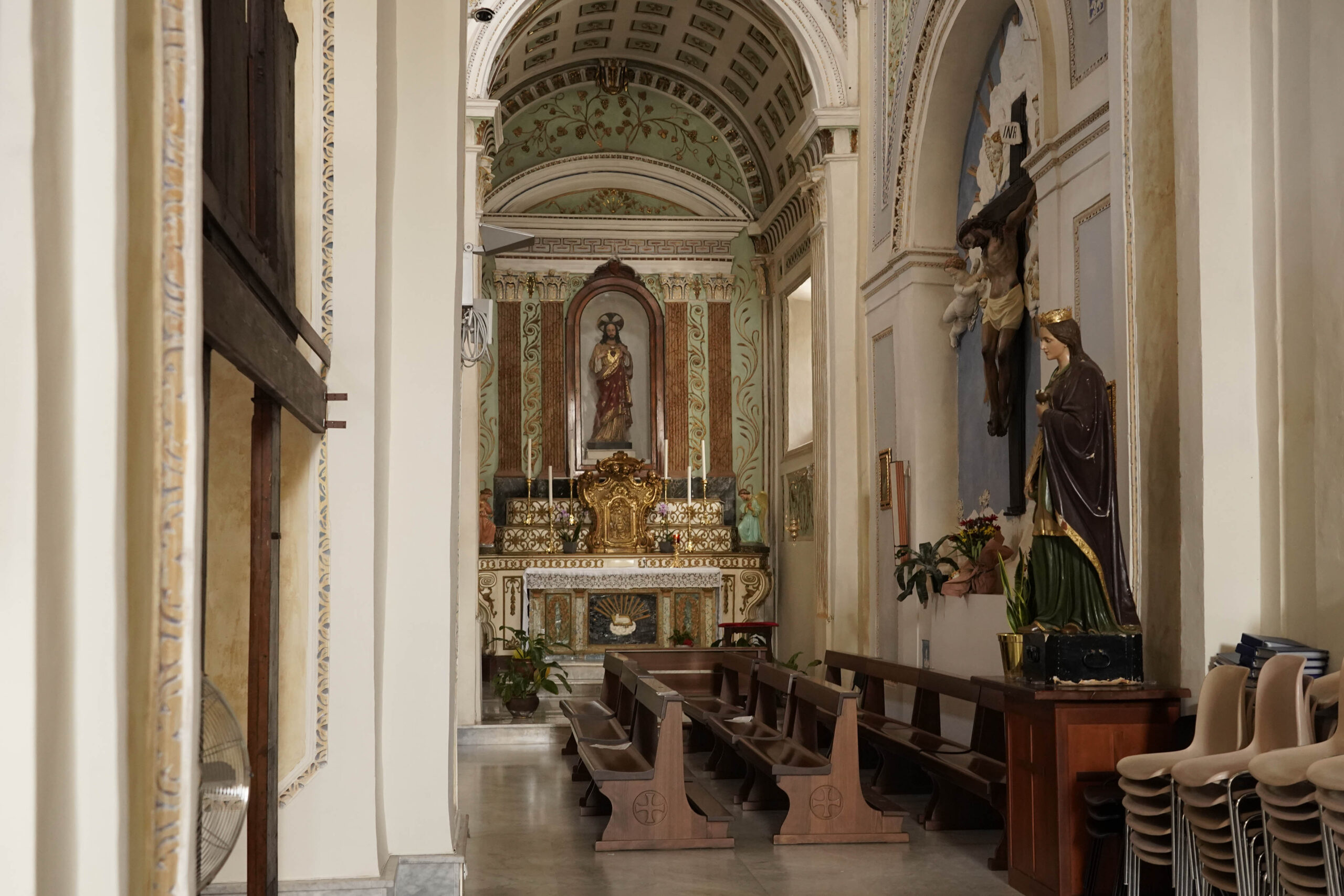
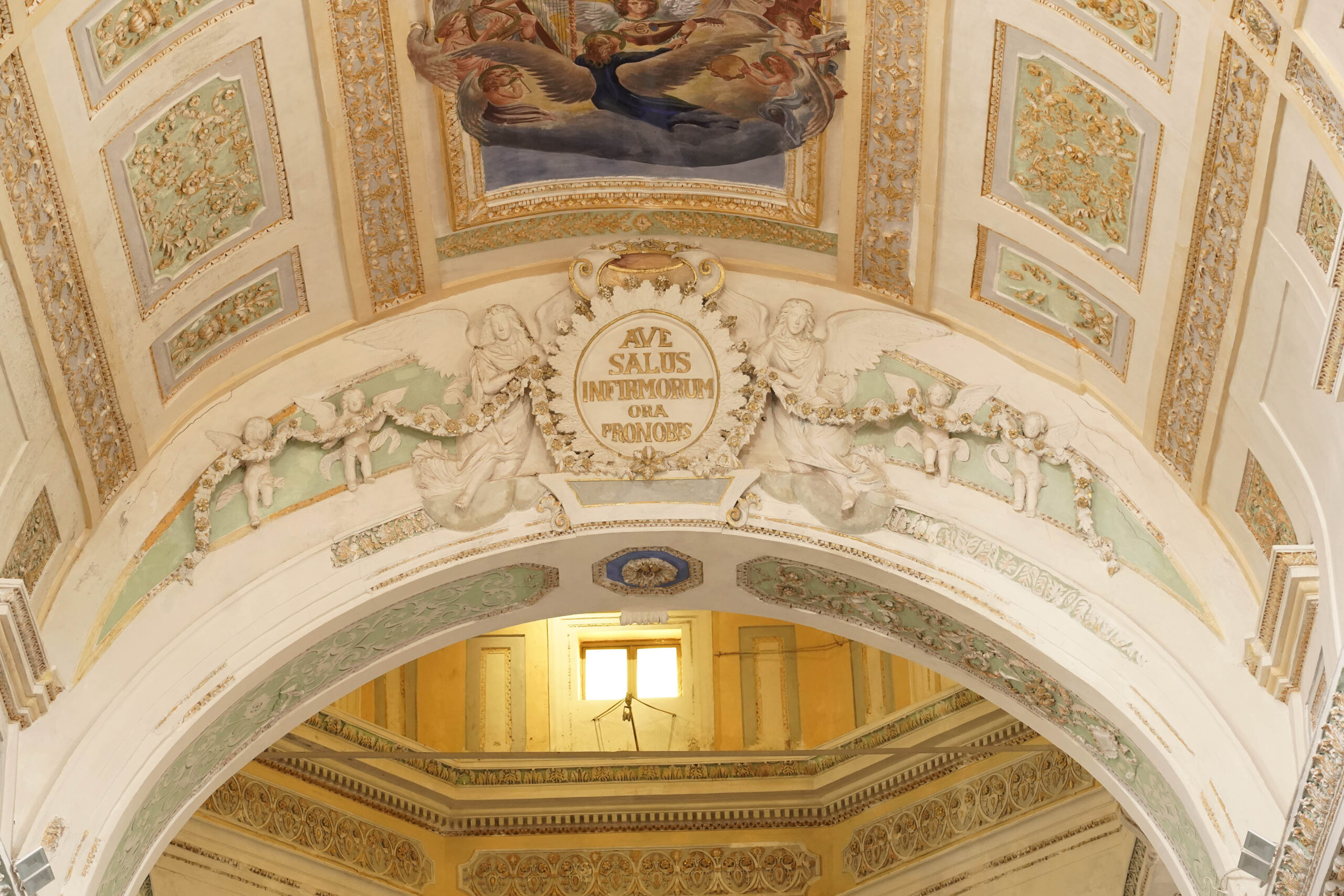
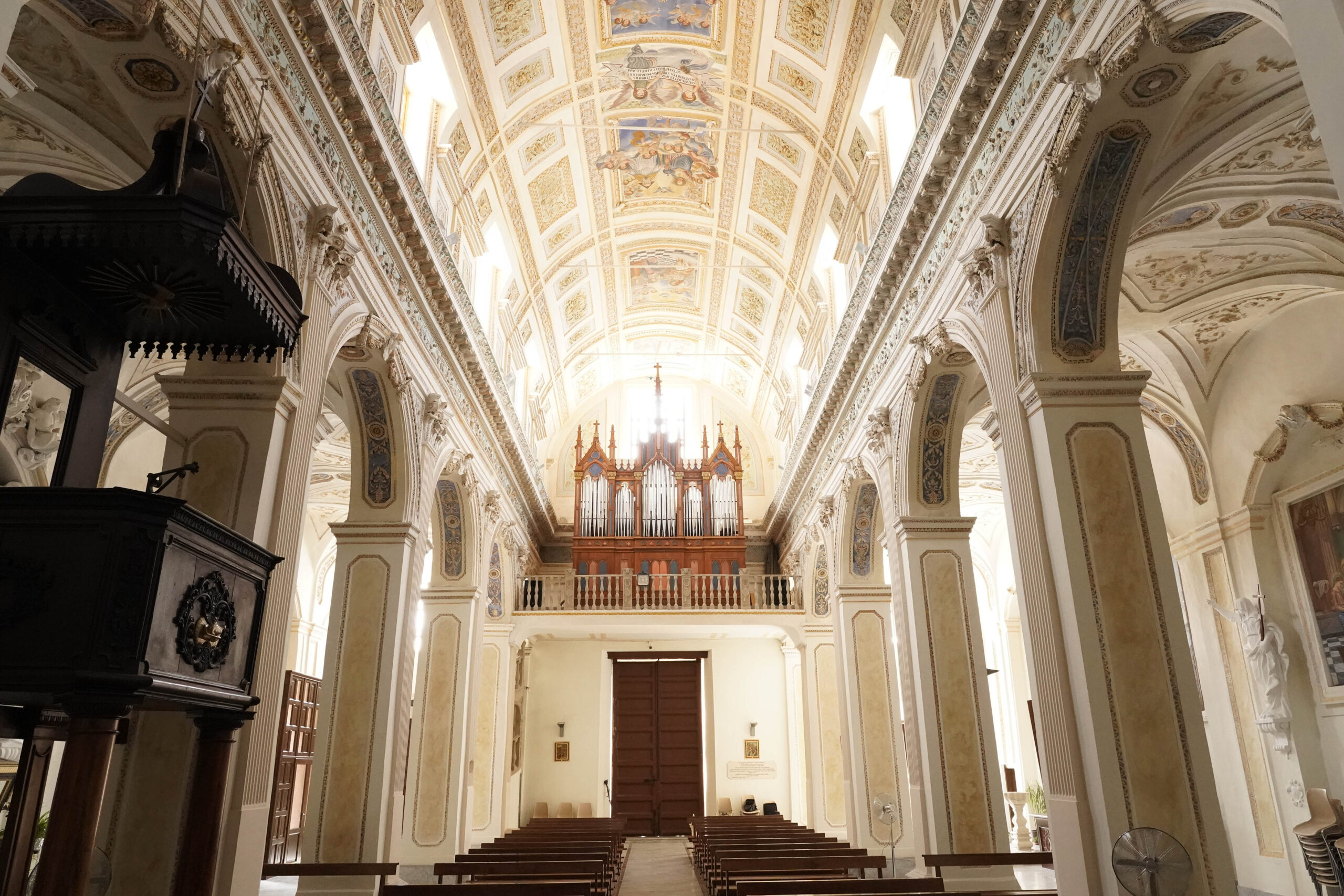
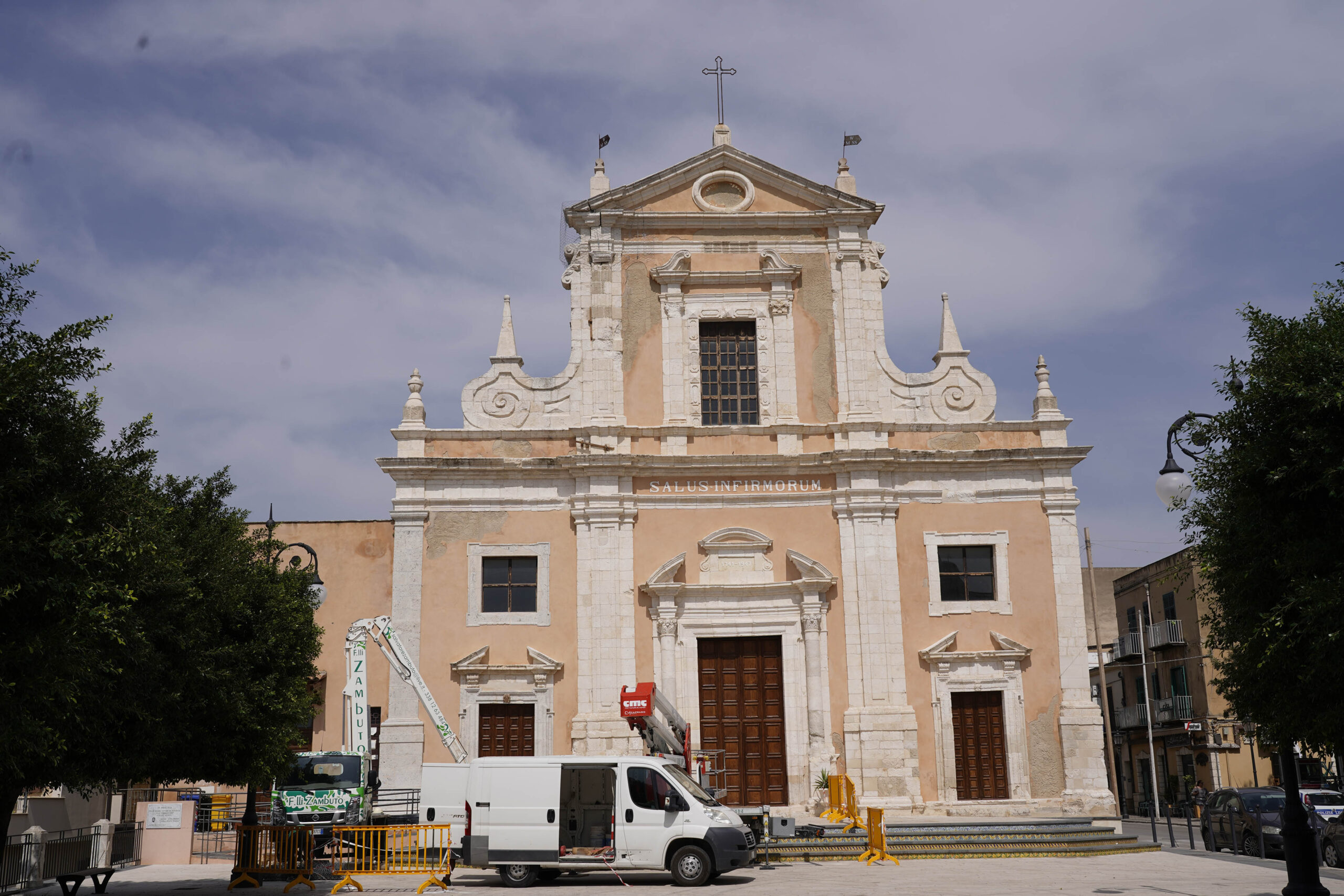
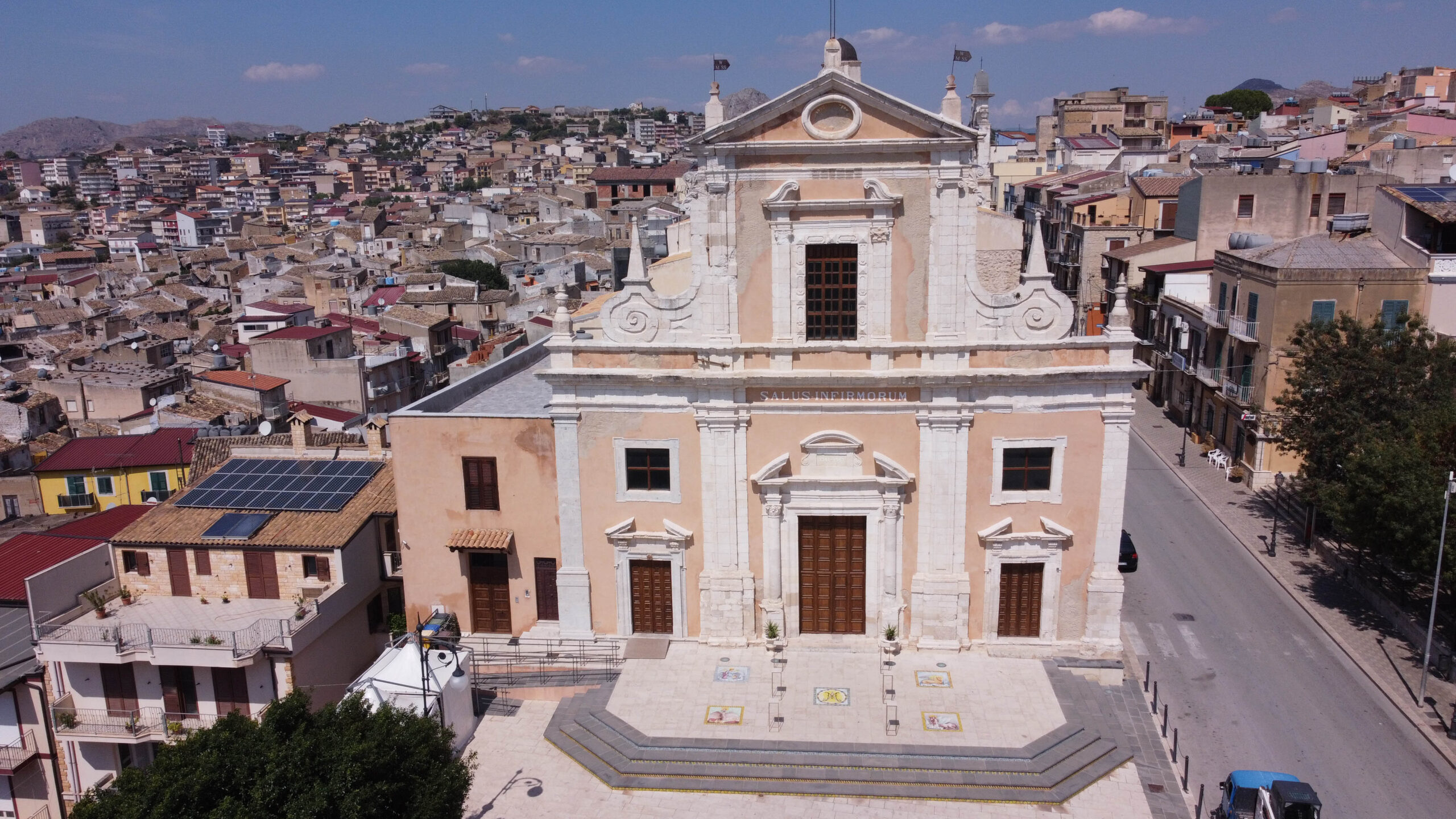
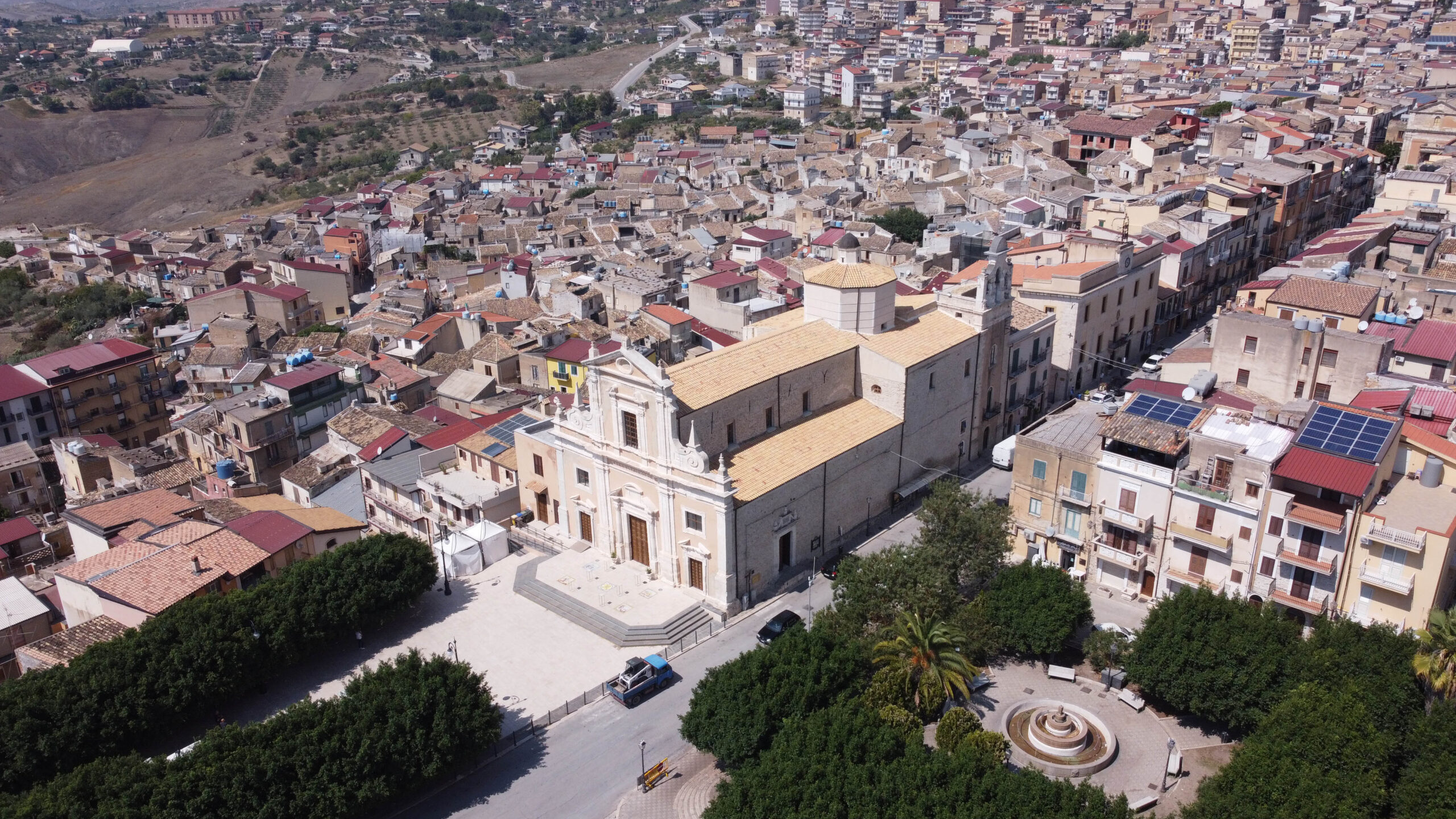
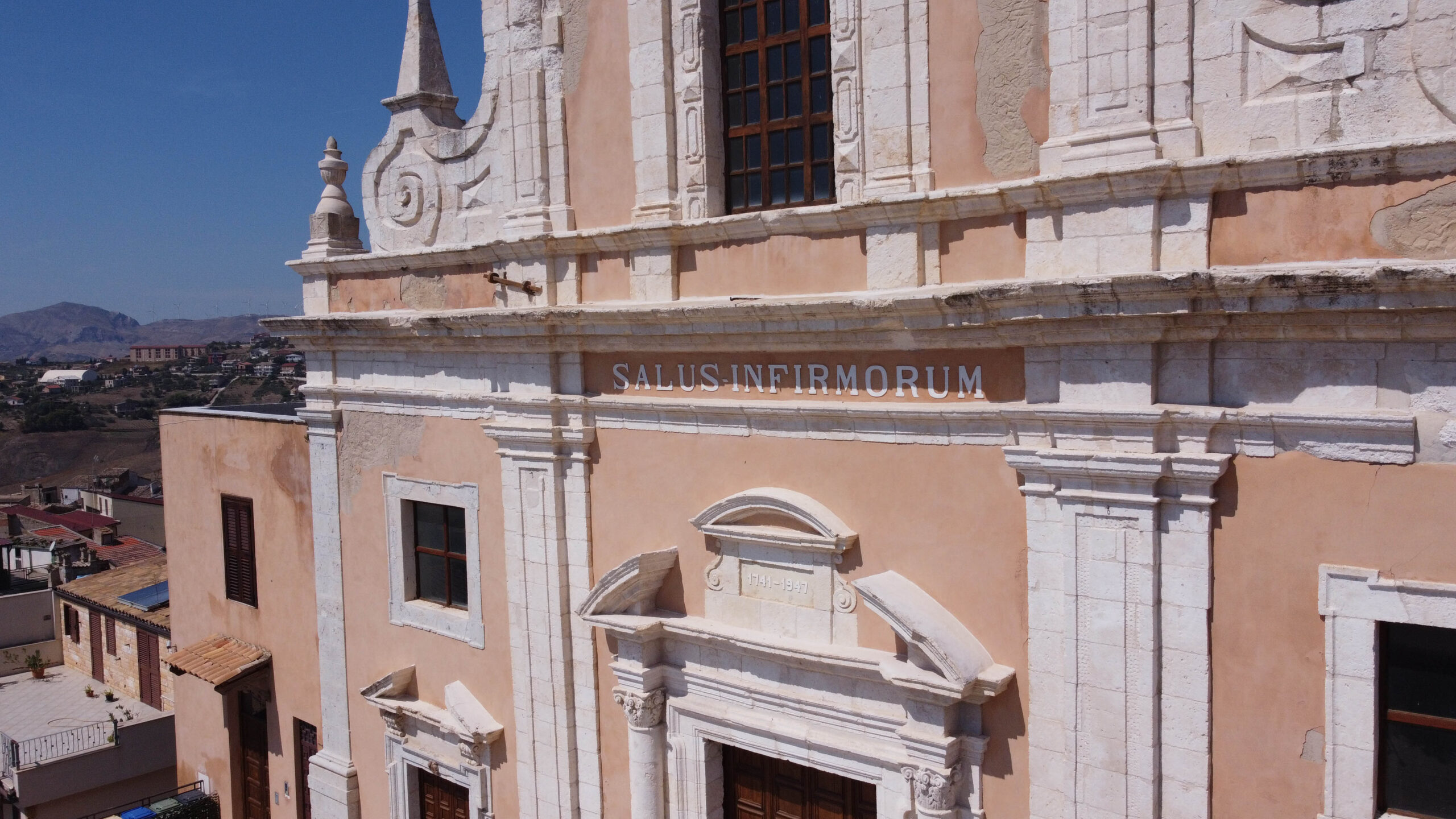
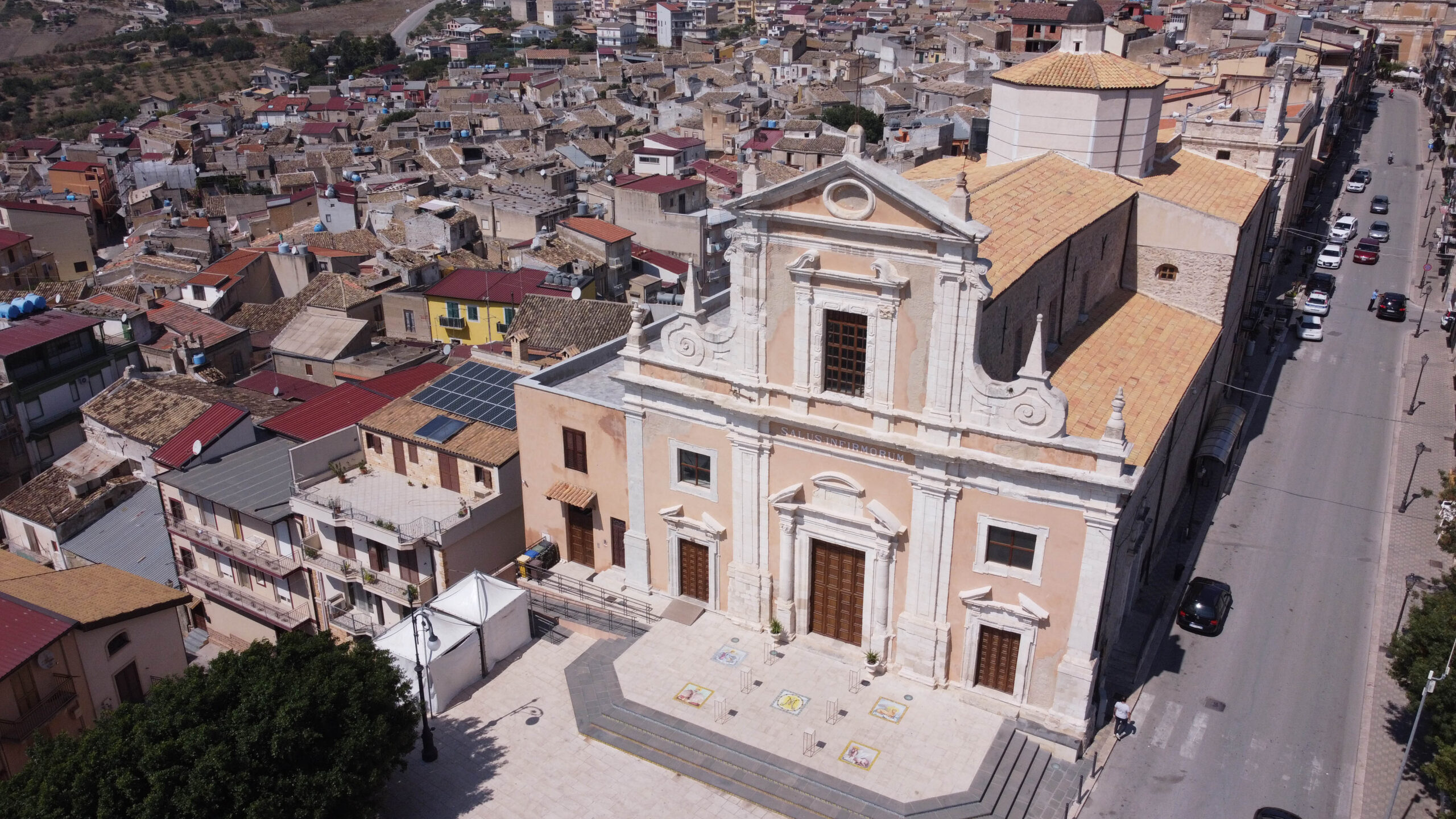
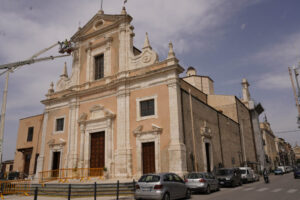
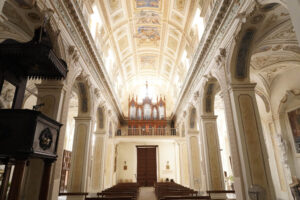
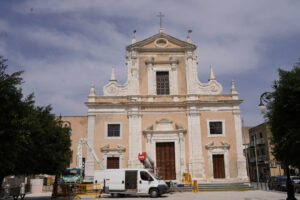
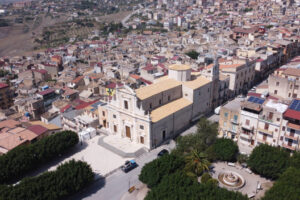
The town’s Mother Church, is located in the center of the town and dominates along with Montaperto Castle the main square of the town. In the second half of July the feast of Our Lady of the Sick, patron saint of Raffadali, is celebrated there. It began to be built in the second half of the 15th century at the behest of Baron Montaperto but was completed a couple of centuries later.
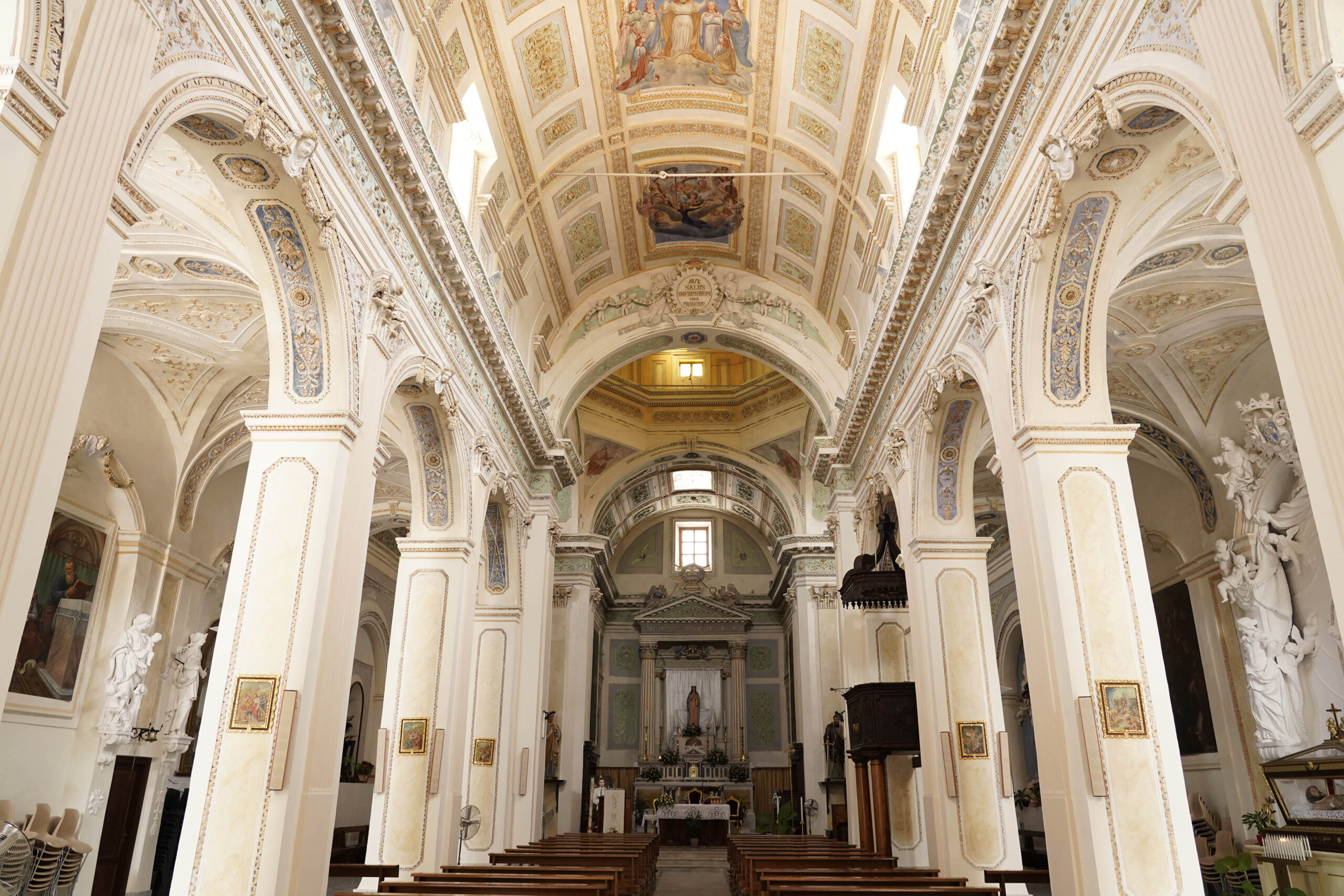
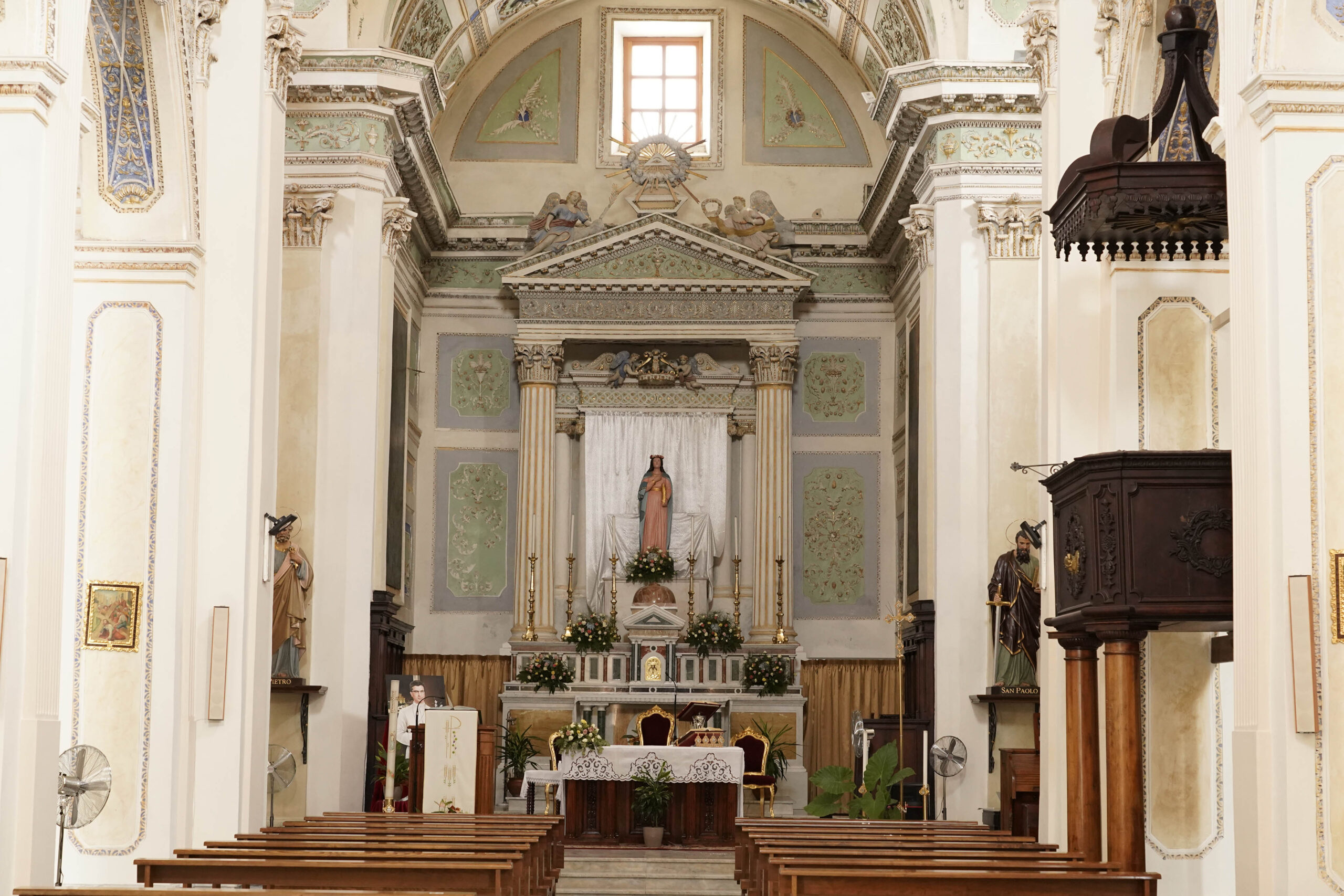
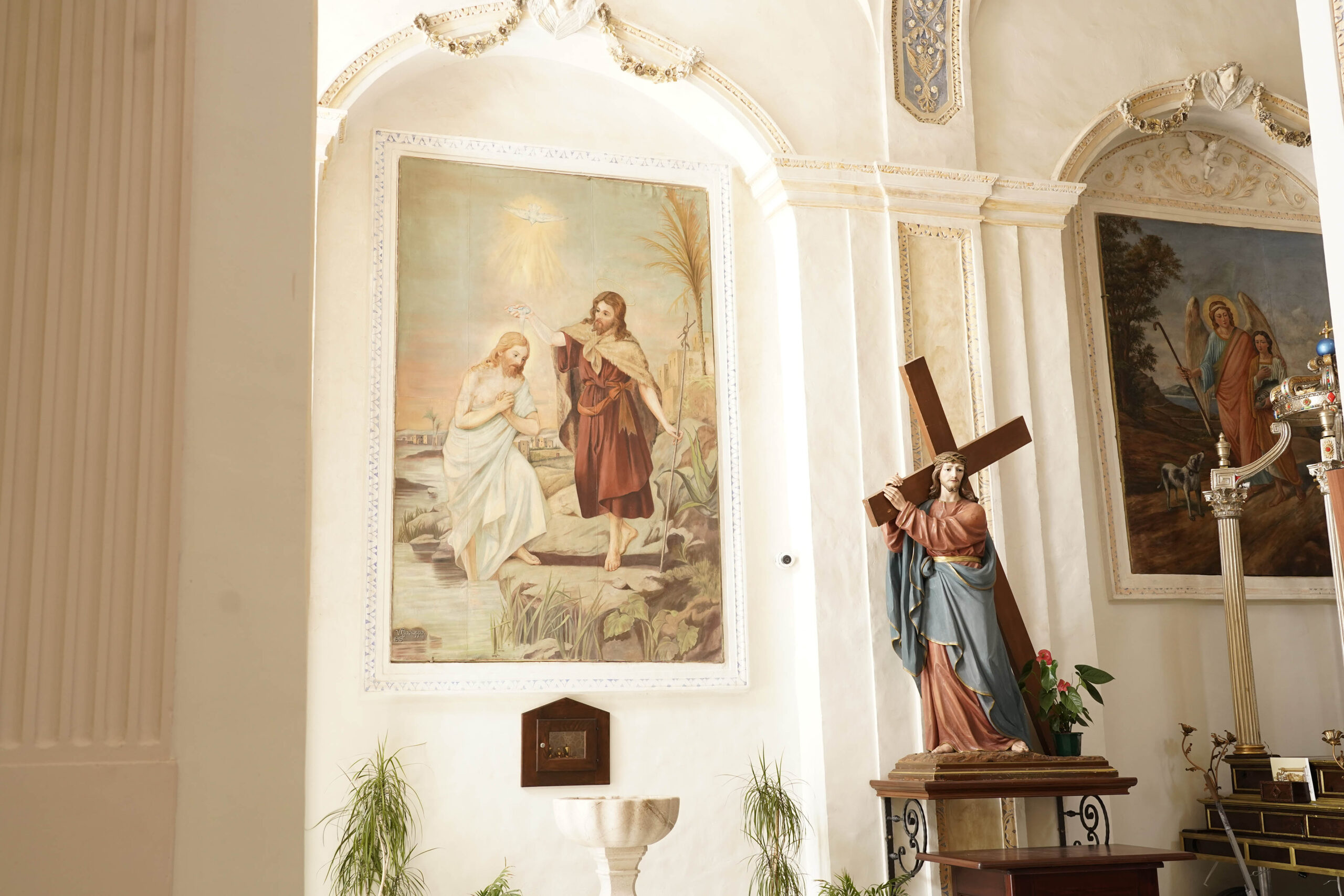
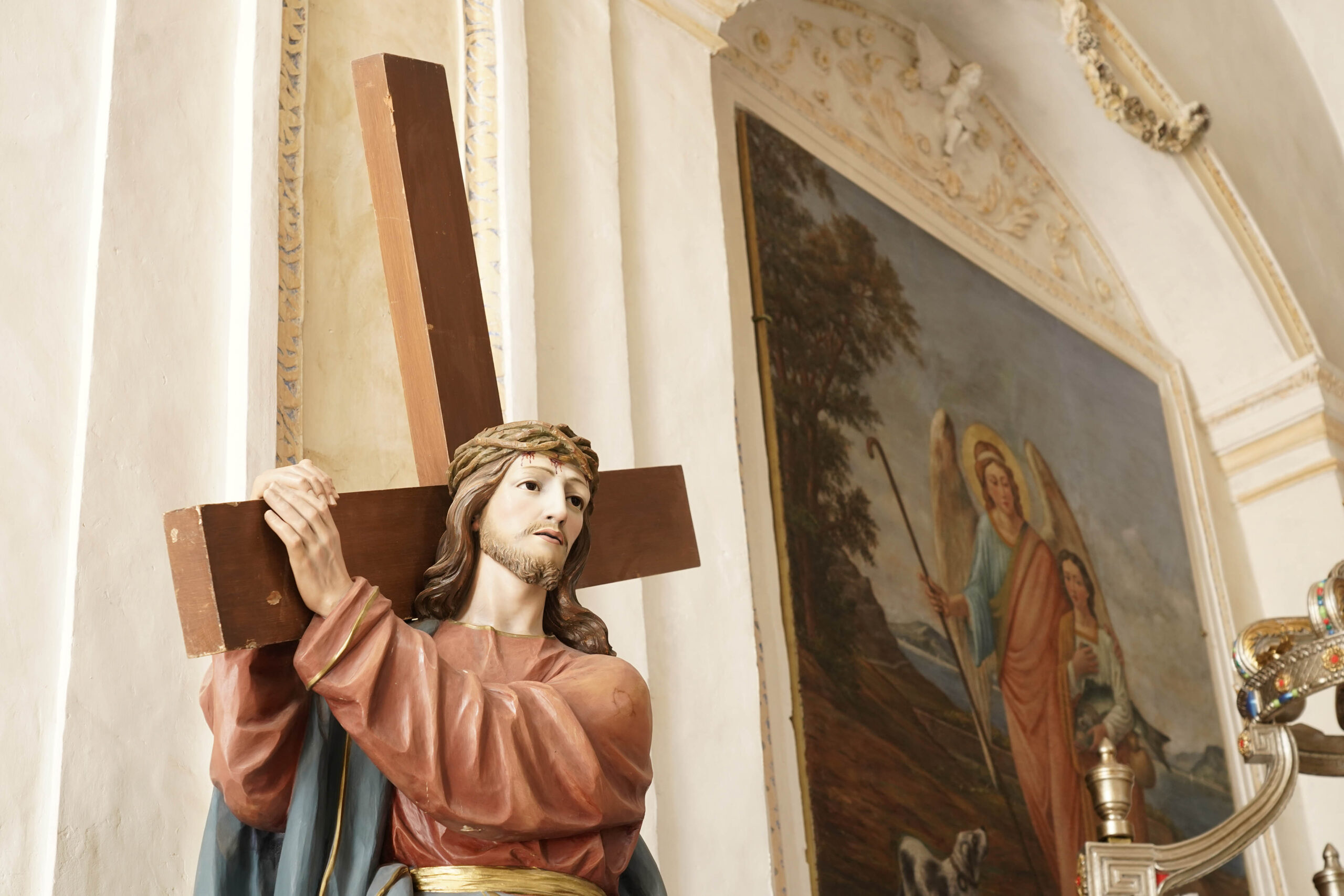
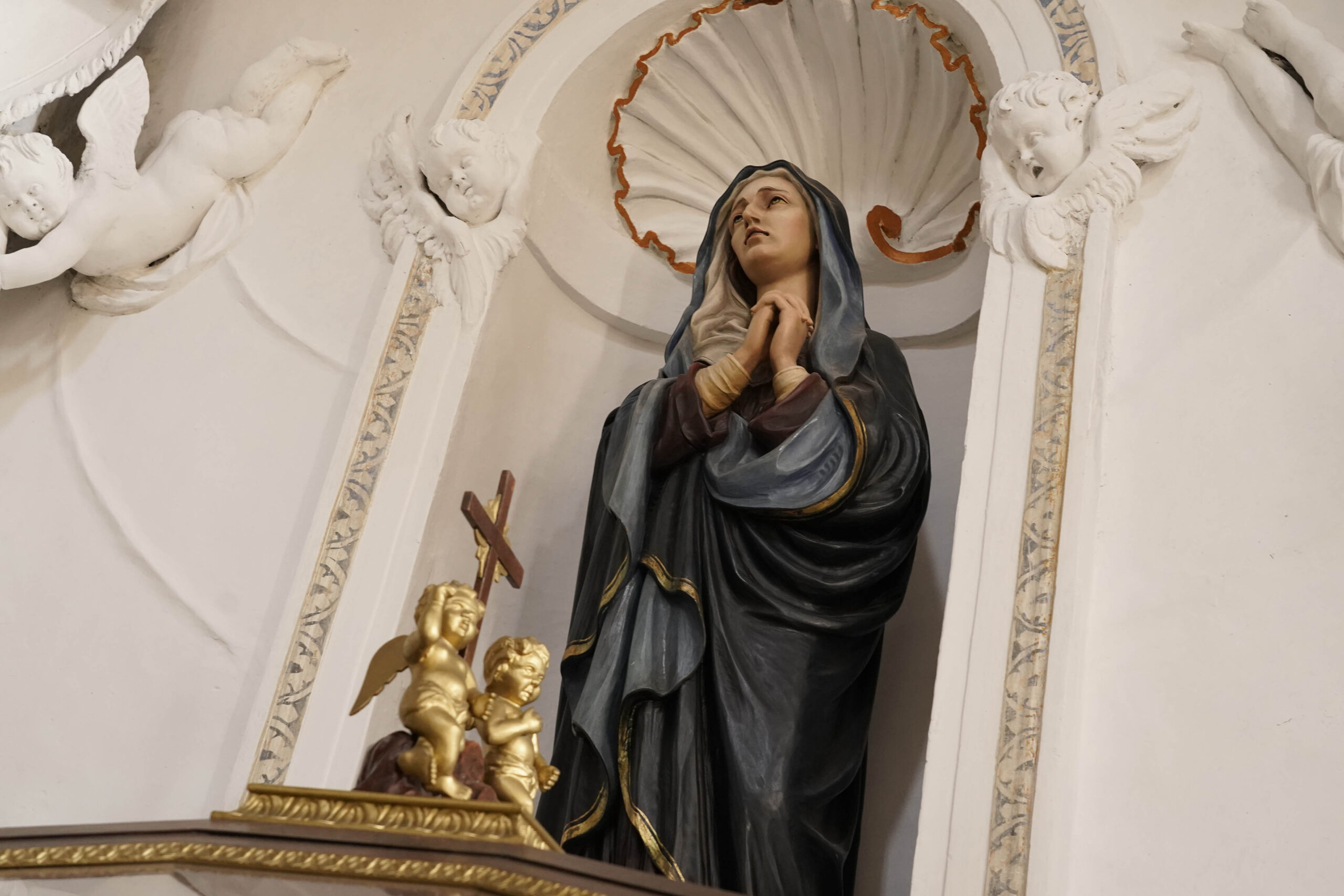
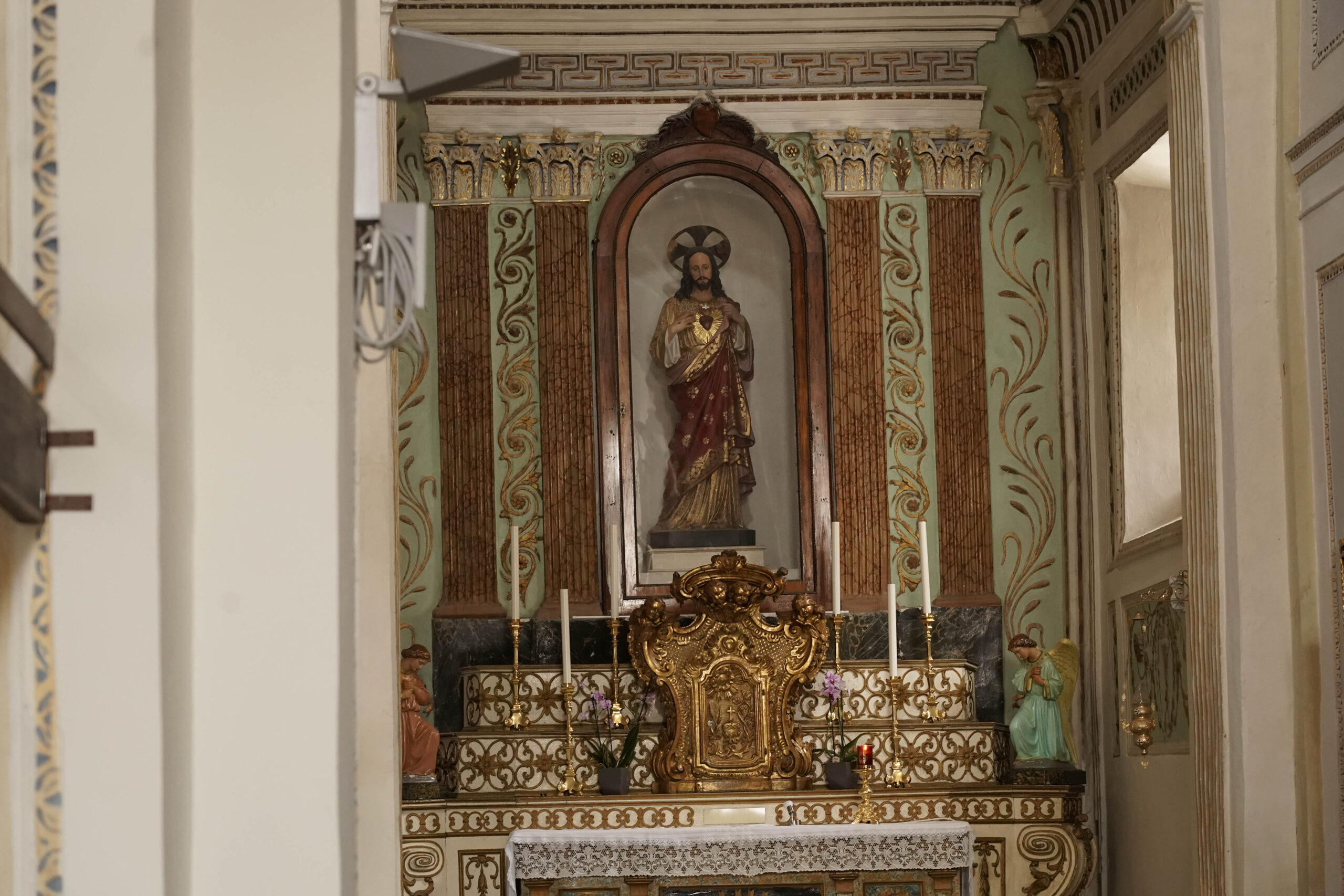
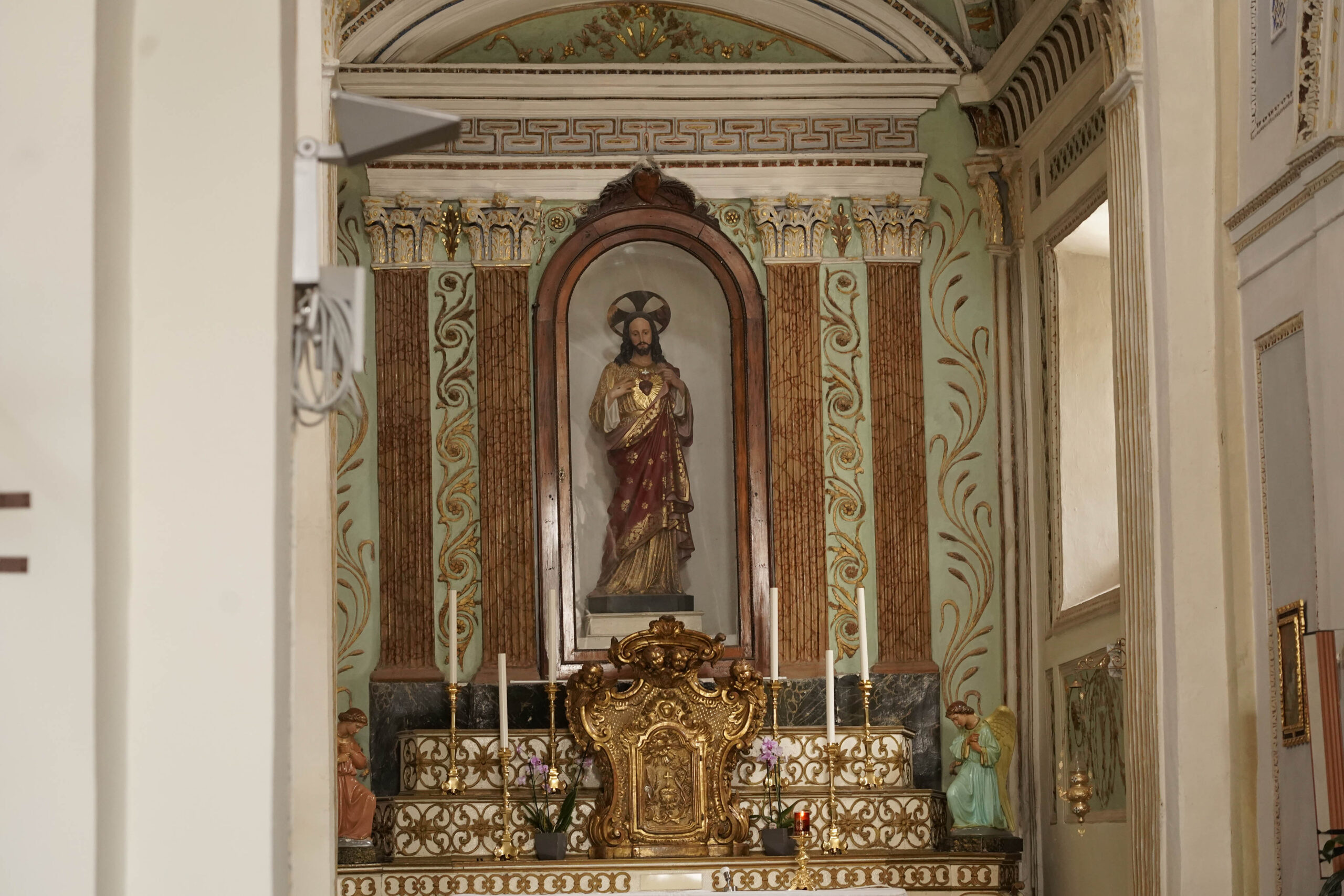
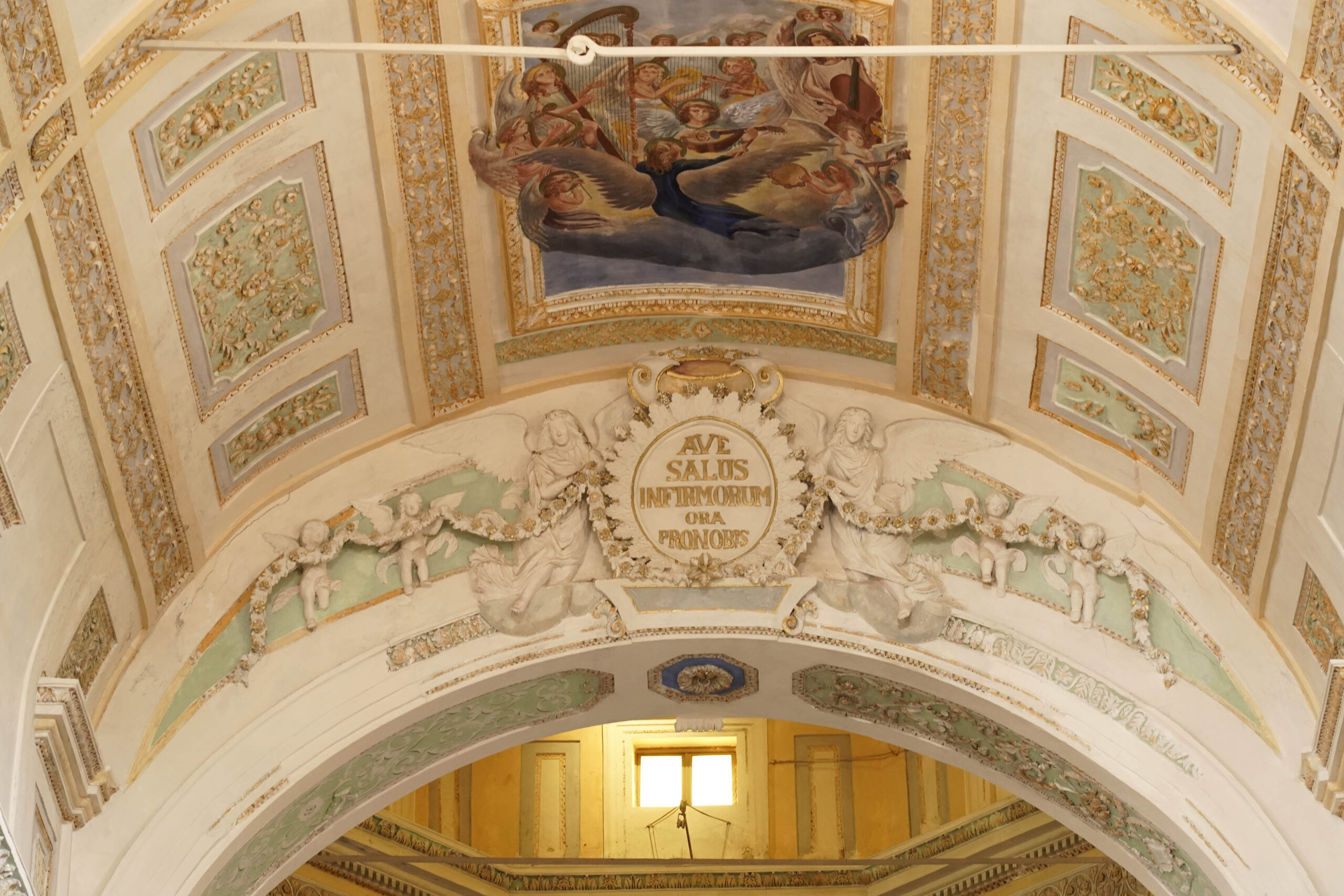
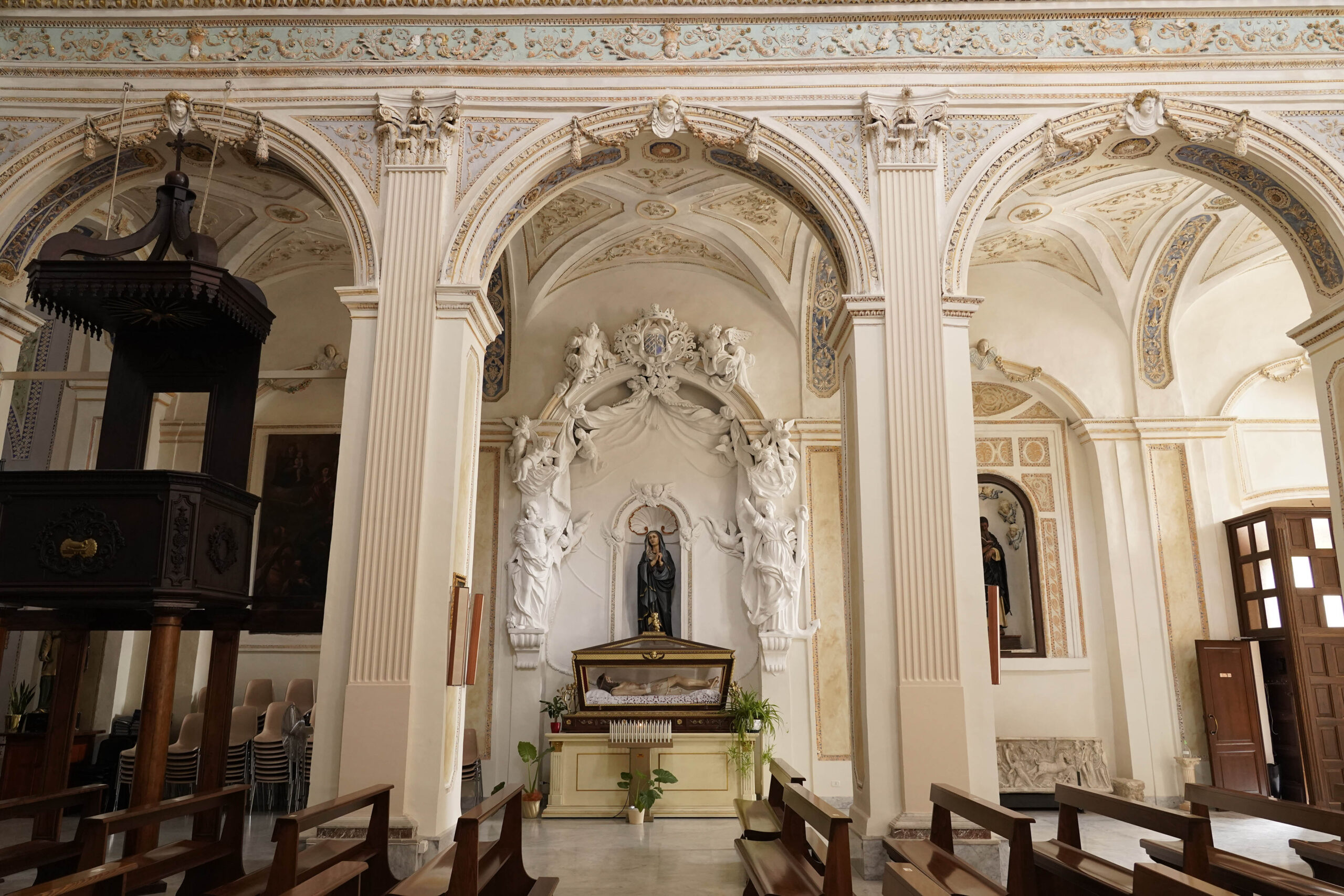
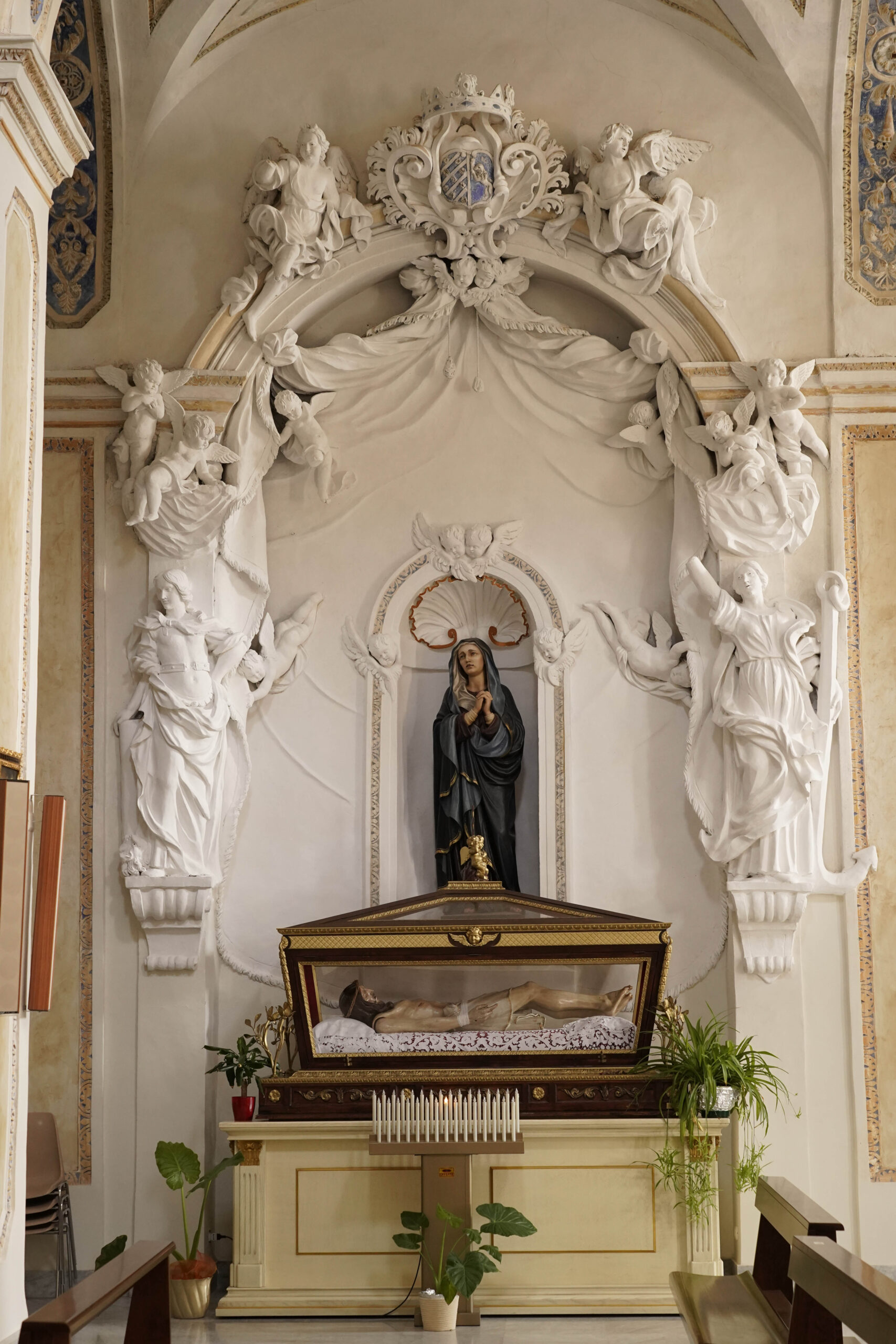
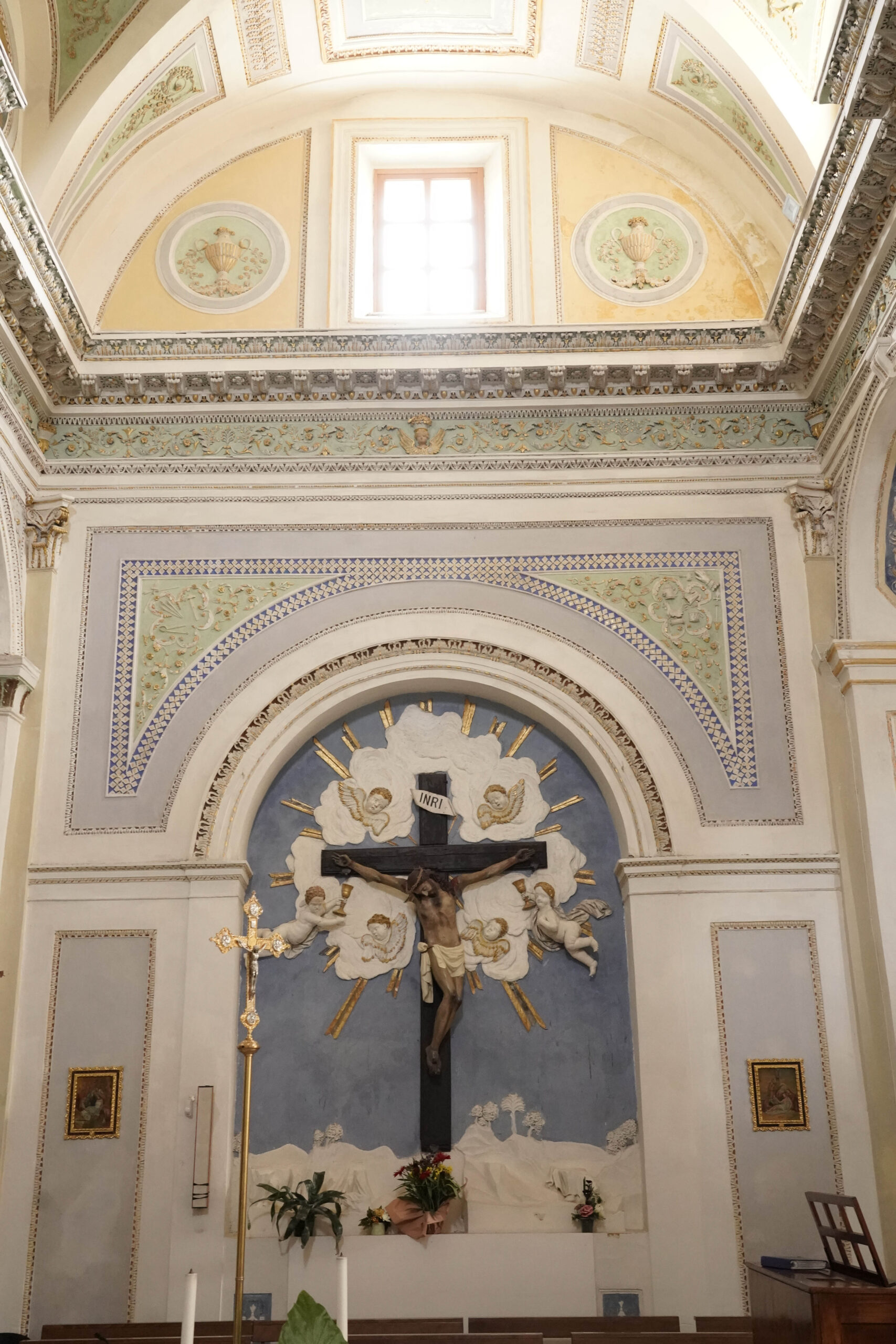
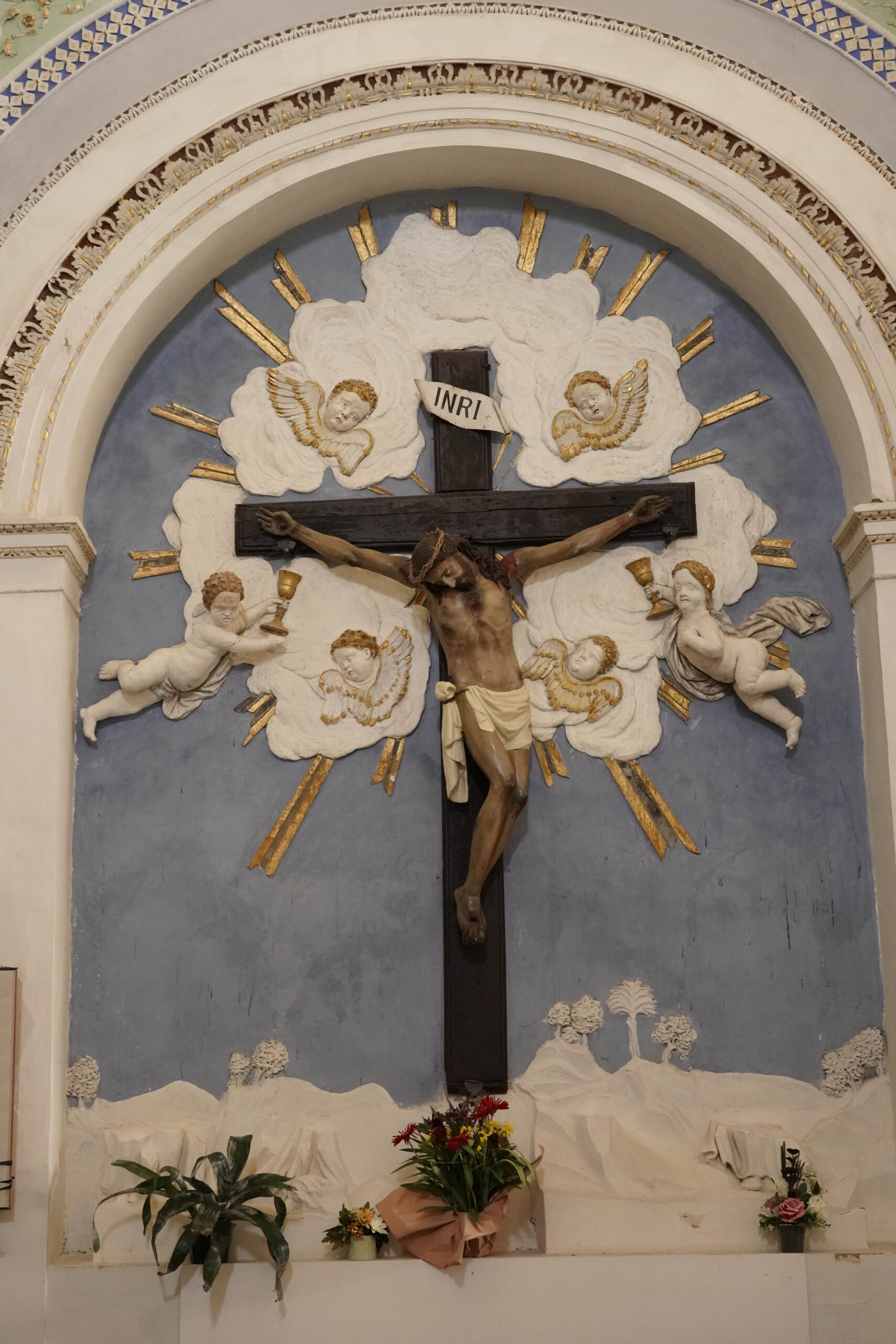
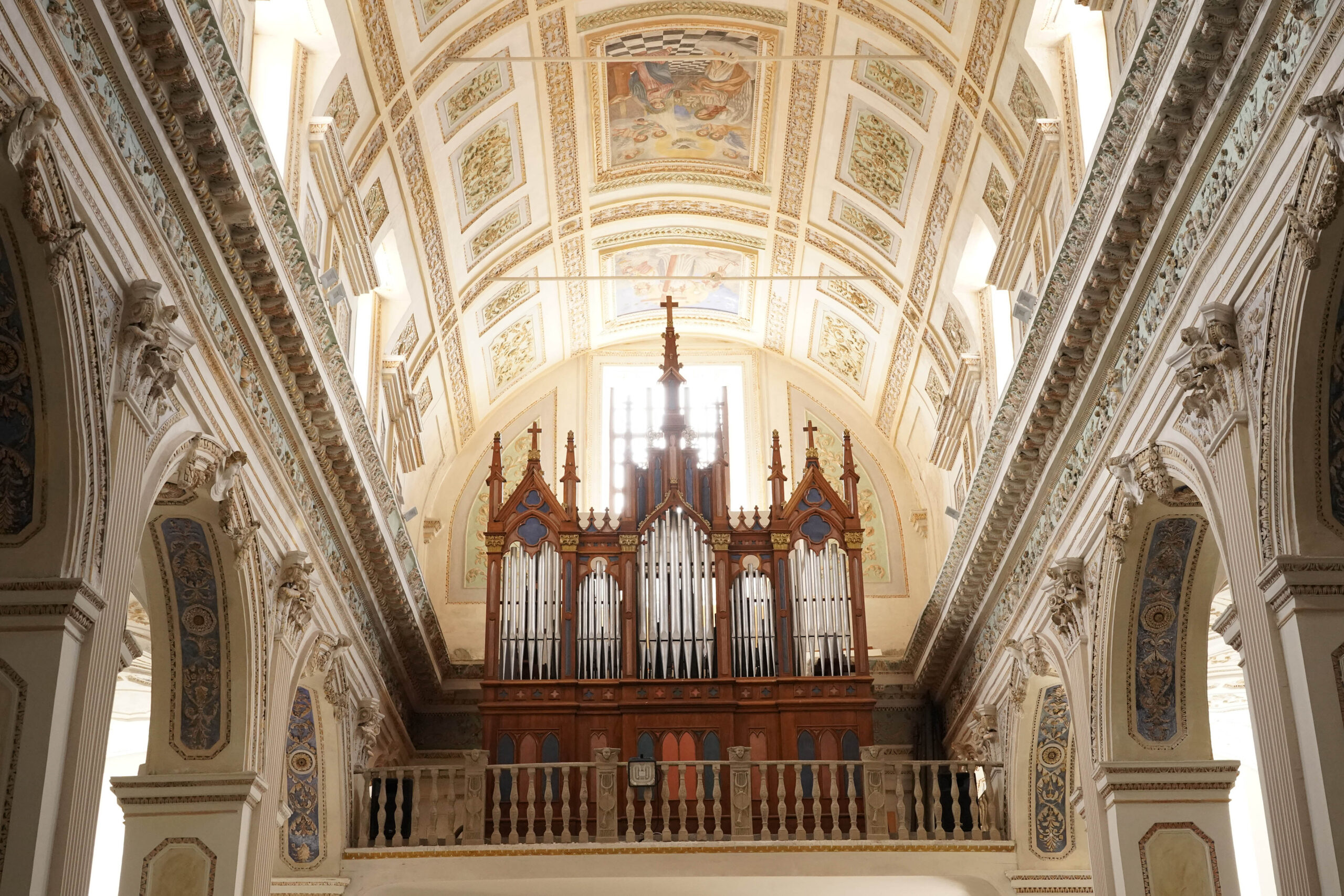
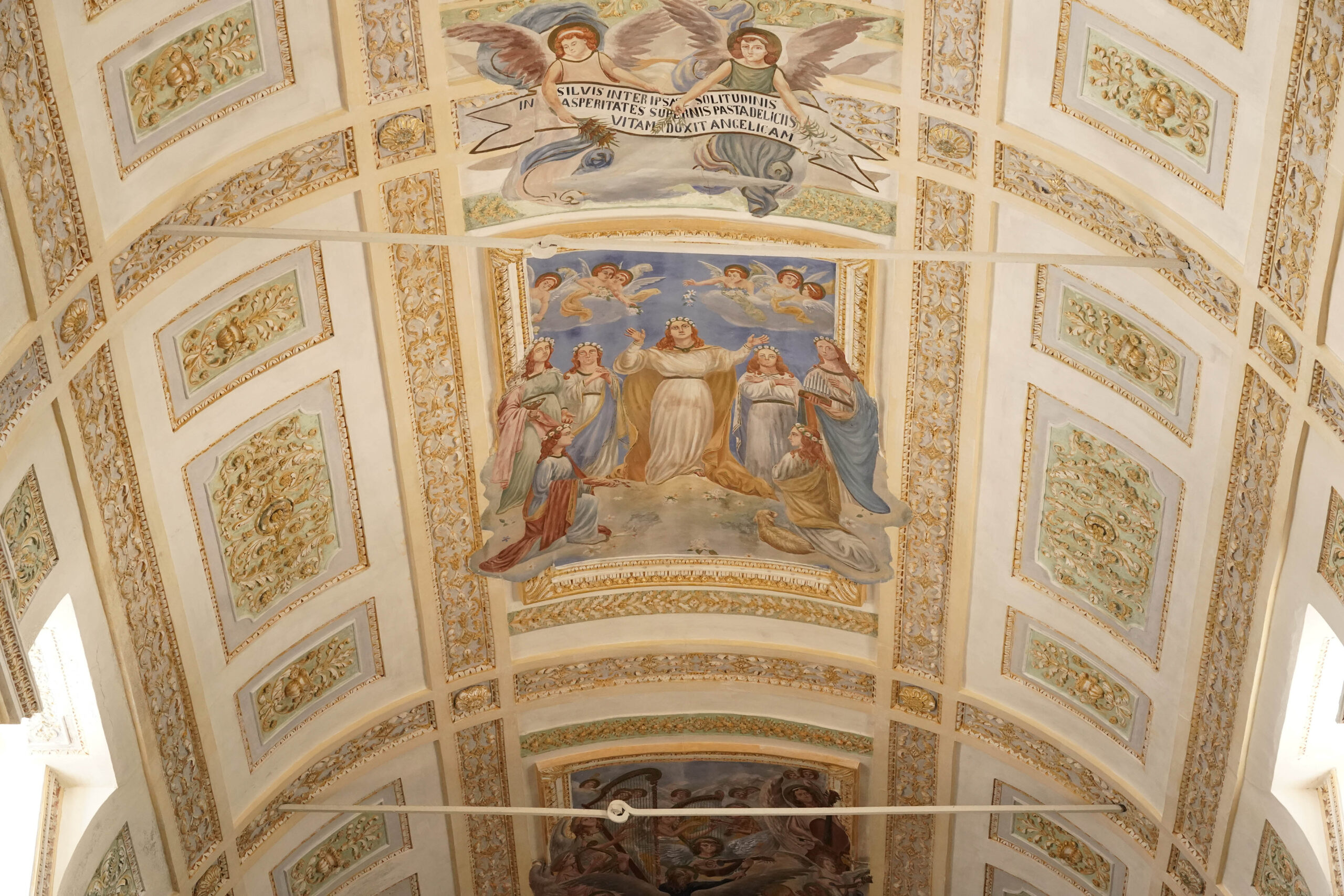
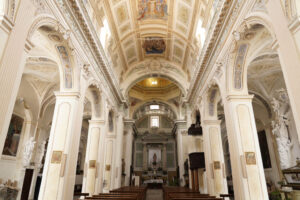
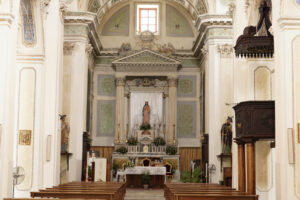
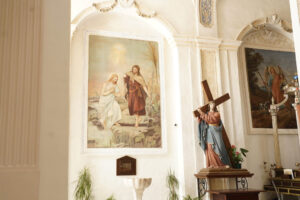
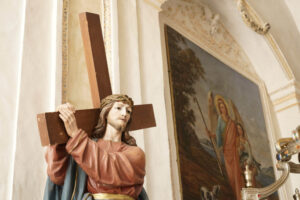
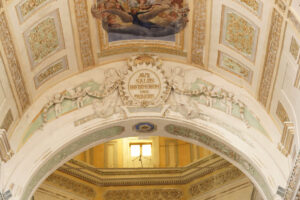
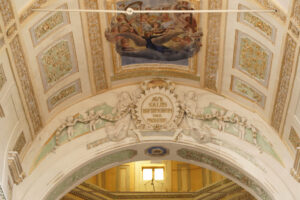
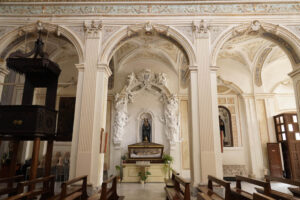
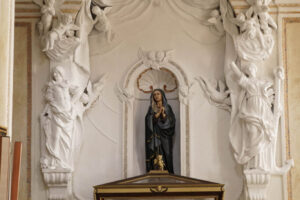
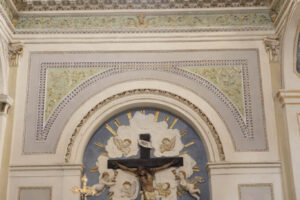
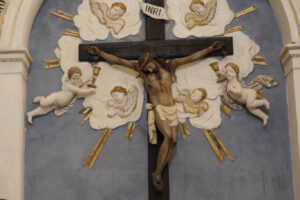
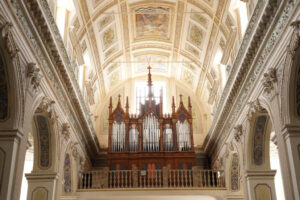
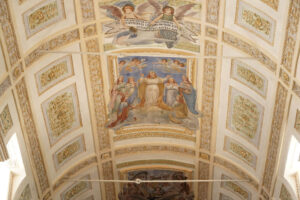
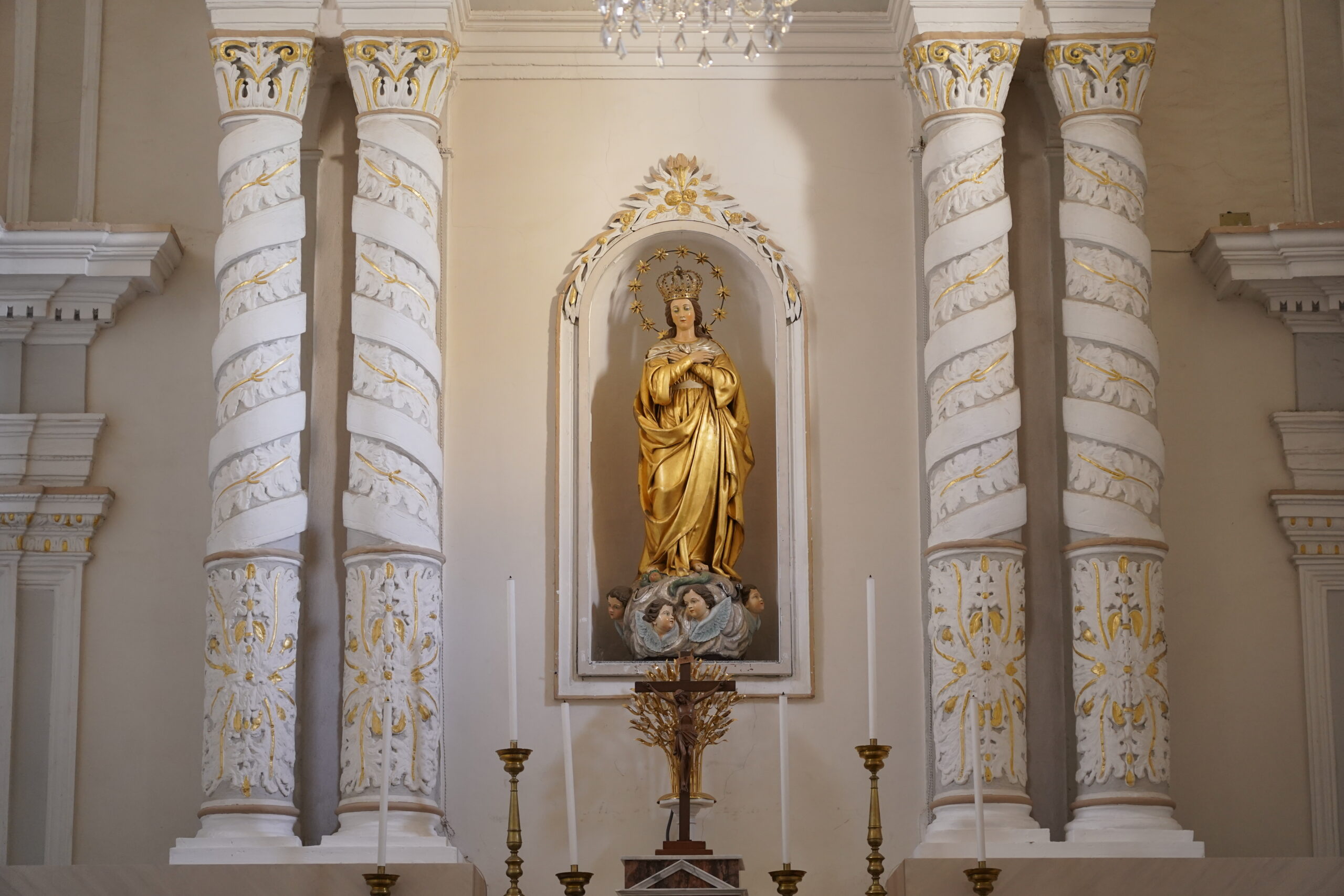
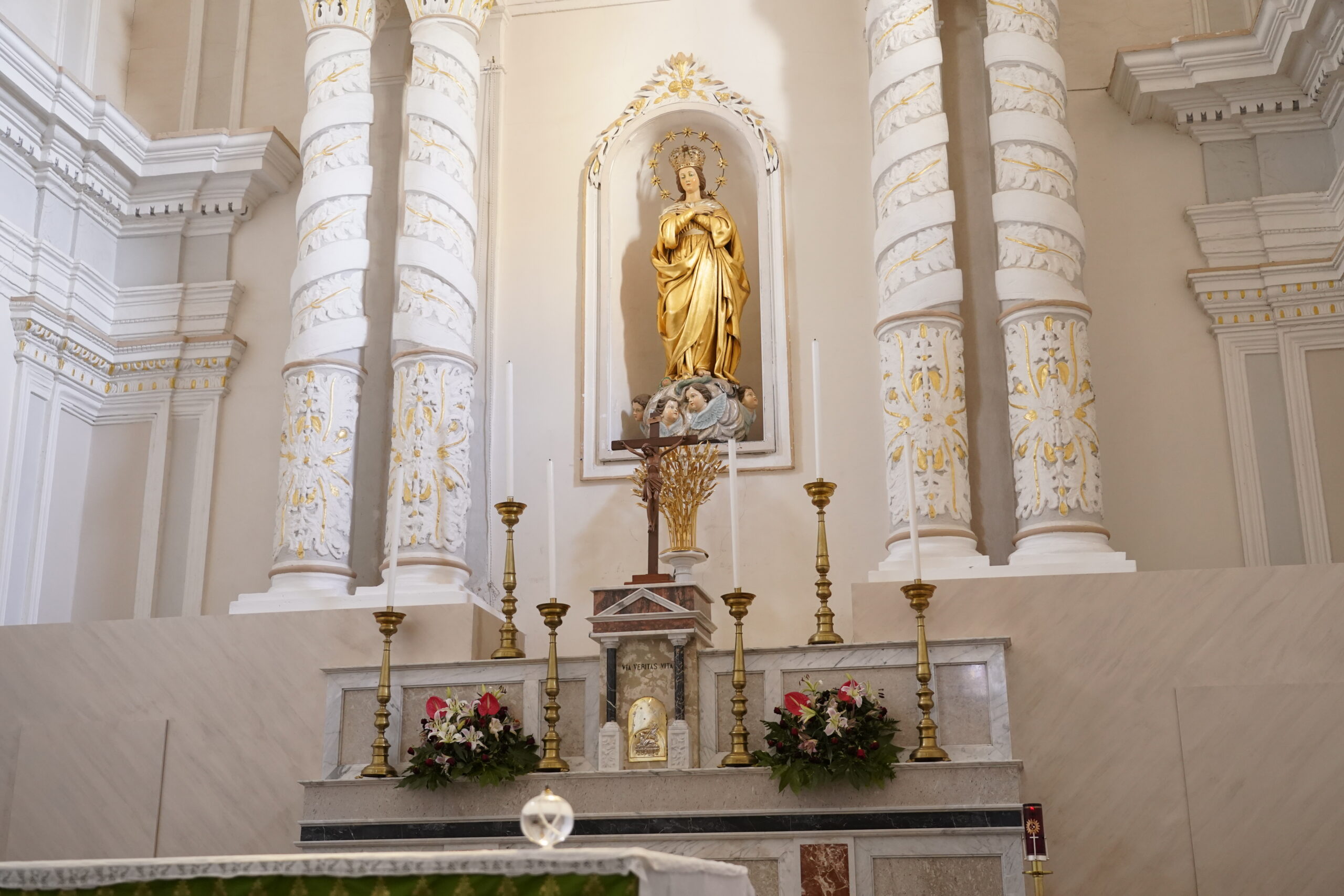
The decoration on the left portal of the elevation bears the date 1831. The building faces south and is 40 m long. And 26 m wide. The facade is derived from late Roman Renaissance models. It has a Latin cross plan and is divided into three naves with a transept. The dome as well as the vault of the nave are frescoed. Its interior houses, among other things, a 2nd-century AD Roman marble sarcophagus with Rape of Proserpine, a wooden statue of Mary Most Holy of the Sick with Child by Nicola Buttafuoco from 1585, and the Montaperto burials.
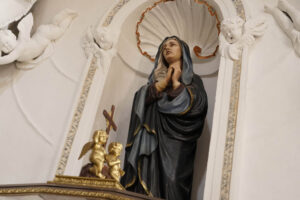
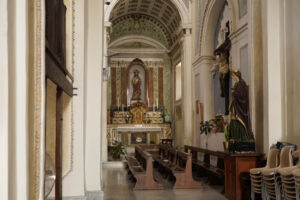
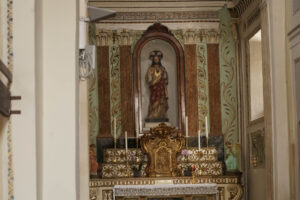
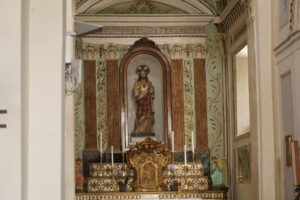
St. Joseph’s Church
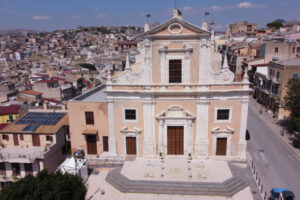
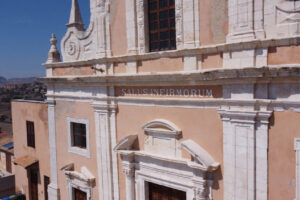
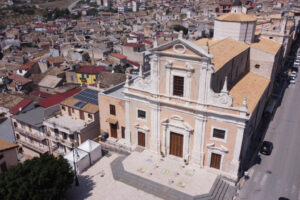
The origins of St. Joseph’s Church date back to the early 1600s, specifically to 1605, when the church and the adjoining hospital were founded to care for the sick poor. In contrast, the facade we can admire today dates from a later period when, following the collapse of the hospital, a decision was made to enlarge the church and remake the facade. By 1768 it was already possible to admire the new image of St. Joseph’s Church with its splendid Baroque facade.
The Church of St. Joseph is a jewel set in the urban fabric of Raffadali. The interior hall has a single nave and is closely influenced by the hand of architect Saverio Bentivegna from the first half of the 19th century. Many decades earlier, however, the facade is assumed to have been built because, with the abundant suppleness of its lines and the bold expanse of its spaces, it stands as one of the most remarkable examples of Baroque-style facades in the entire province. On either side of the entrance portal once stood two stylophoric lions; only the stone pedestals of these now remain. The entire composition of the facade is concluded by an imposing tripartite bell tower.

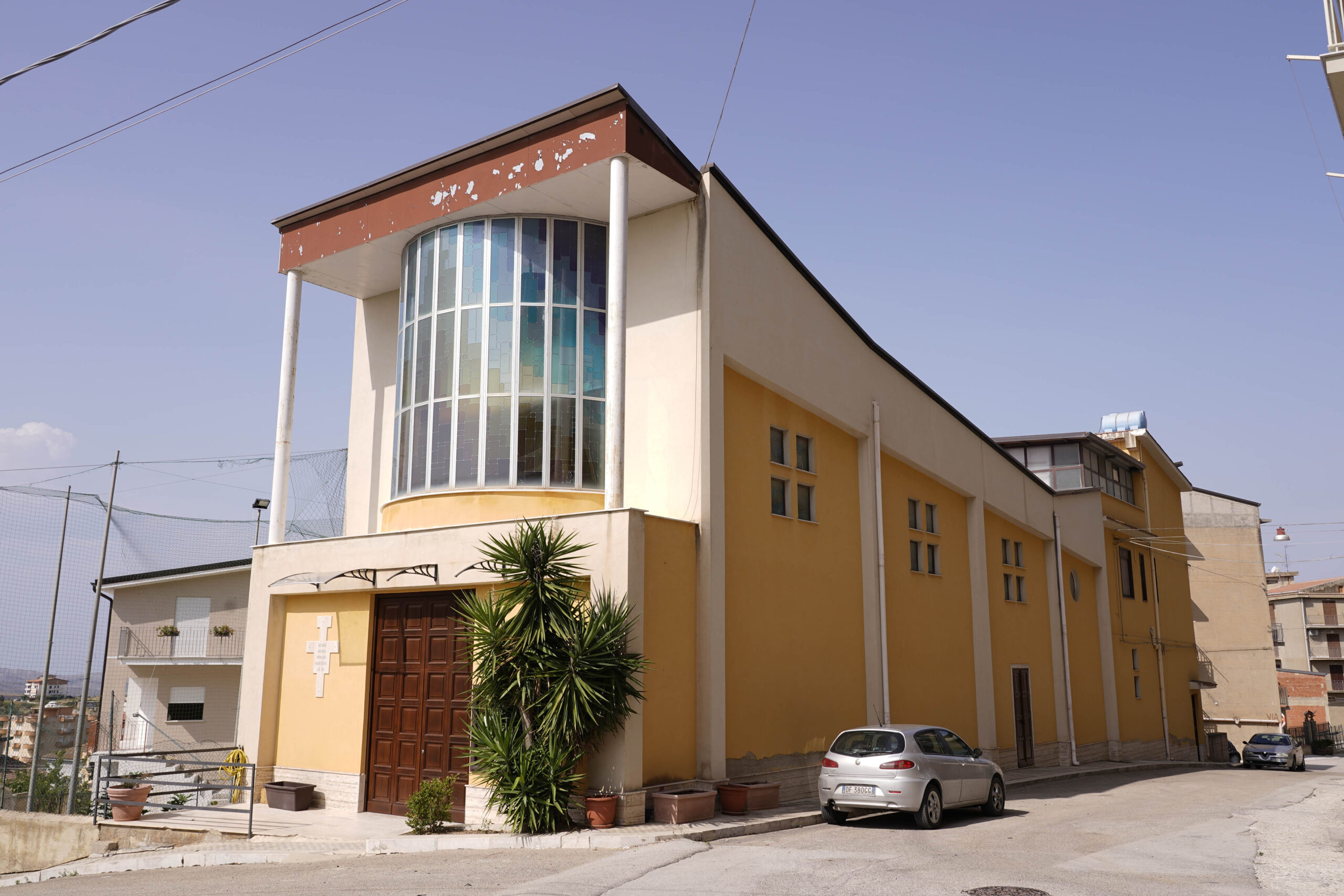
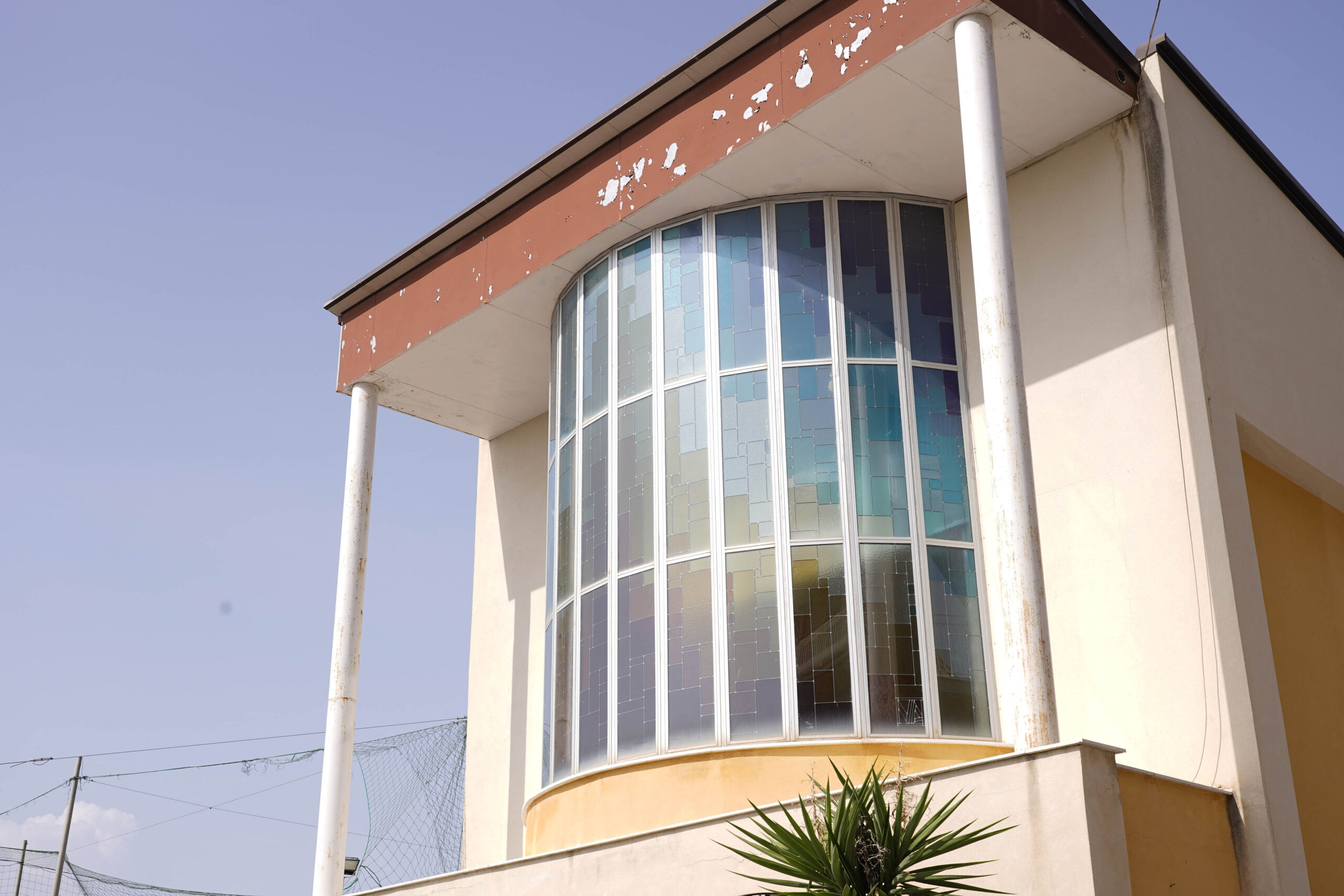
Church of St. Hyacinth Jordan Ansalone
The origins of St. Joseph’s Church date back to the early 1600s, specifically to 1605, when the church and the adjoining hospital were founded to care for the sick poor. In contrast, the facade we can admire today dates from a later period when, following the collapse of the hospital, a decision was made to enlarge the church and remake the facade. By 1768 it was already possible to admire the new image of St. Joseph’s Church with its splendid Baroque facade.
The Church of St. Joseph is a jewel set in the urban fabric of Raffadali. The interior hall has a single nave and is closely influenced by the hand of architect Saverio Bentivegna from the first half of the 19th century. Many decades earlier, however, the facade is assumed to have been built because, with the abundant suppleness of its lines and the bold expanse of its spaces, it stands as one of the most remarkable examples of Baroque-style facades in the entire province. On either side of the entrance portal once stood two stylophoric lions; only the stone pedestals of these now remain. The entire composition of the facade is concluded by an imposing tripartite bell tower.
Church of St. Mary of the Rosary
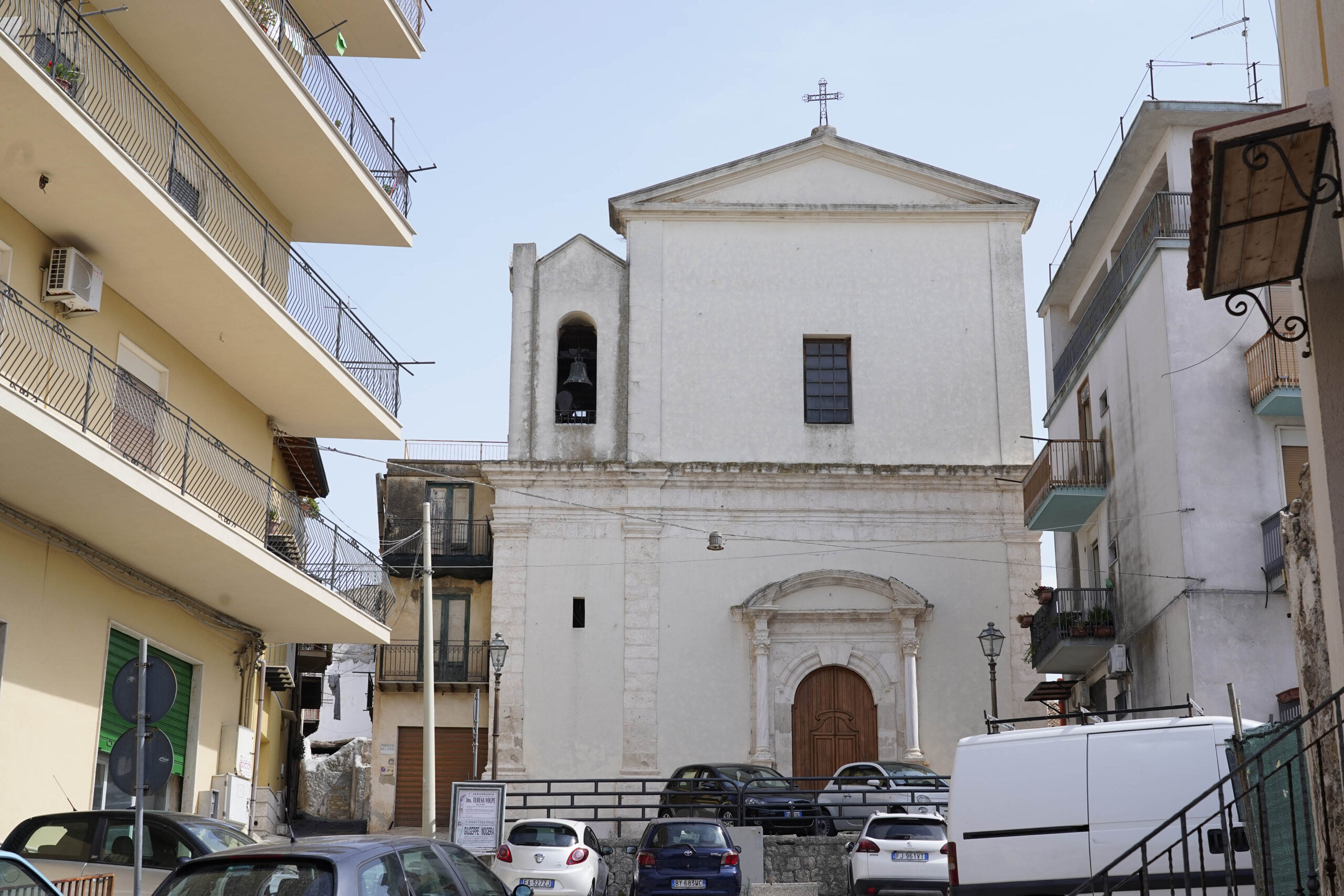
late 16th century, the Church of the Rosary was one of six churches in Raffadali, at the time a small hamlet of modest houses made of plaster and local stone[1]. Construction of the building probably began a few decades after Baron Pietro Montaperto was granted the licentia populandi. Completion and delivery to the Order of Preaching Friars took place around 1547[1].
In 1643 the congregation of the Rosary was established. The Dominicans named the church after St. Dominic of Guzman. It was not until 1939 that the church was dedicated to Our Lady of the Rosary, although the people of Raffadale had long ago given the place of worship that name.
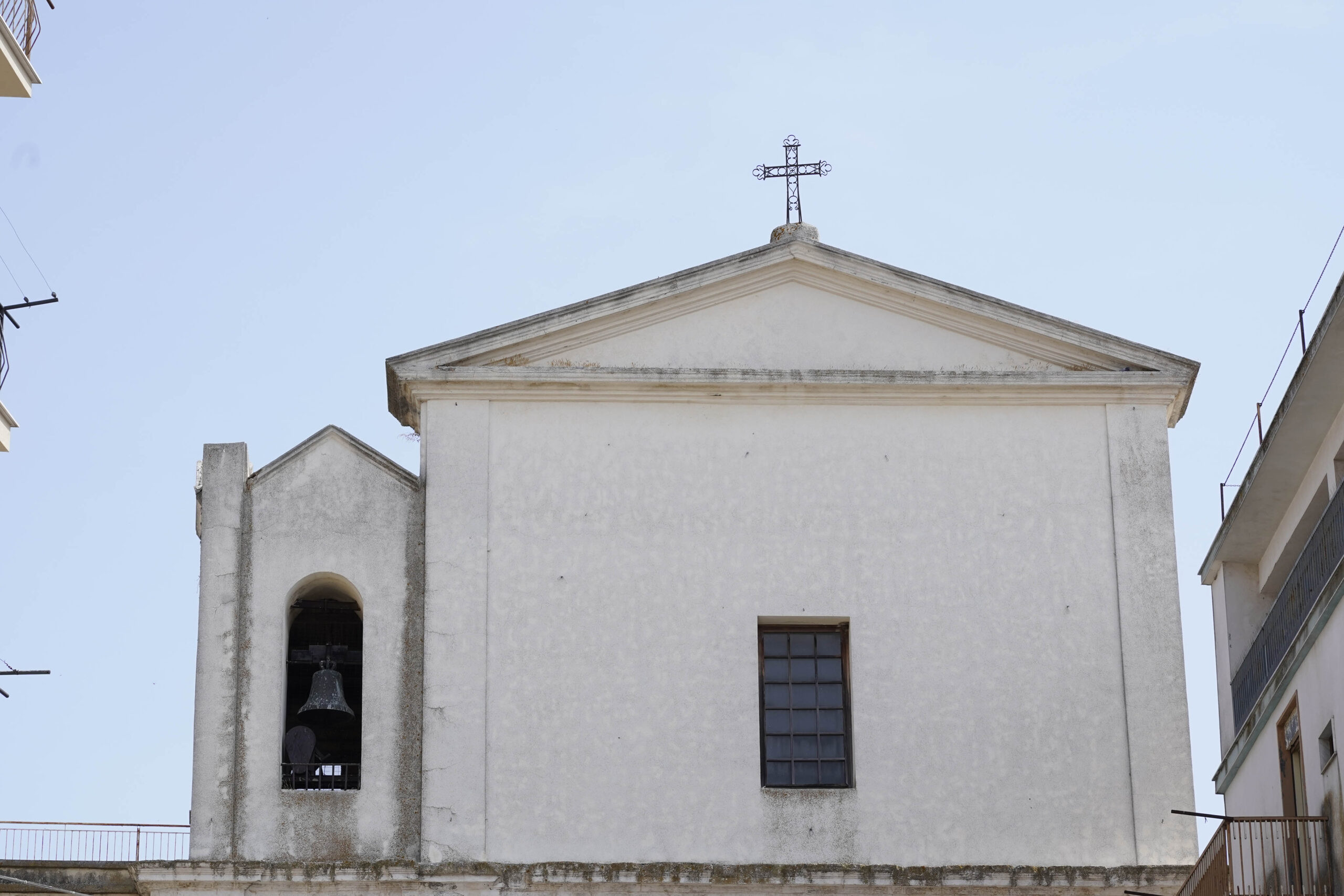
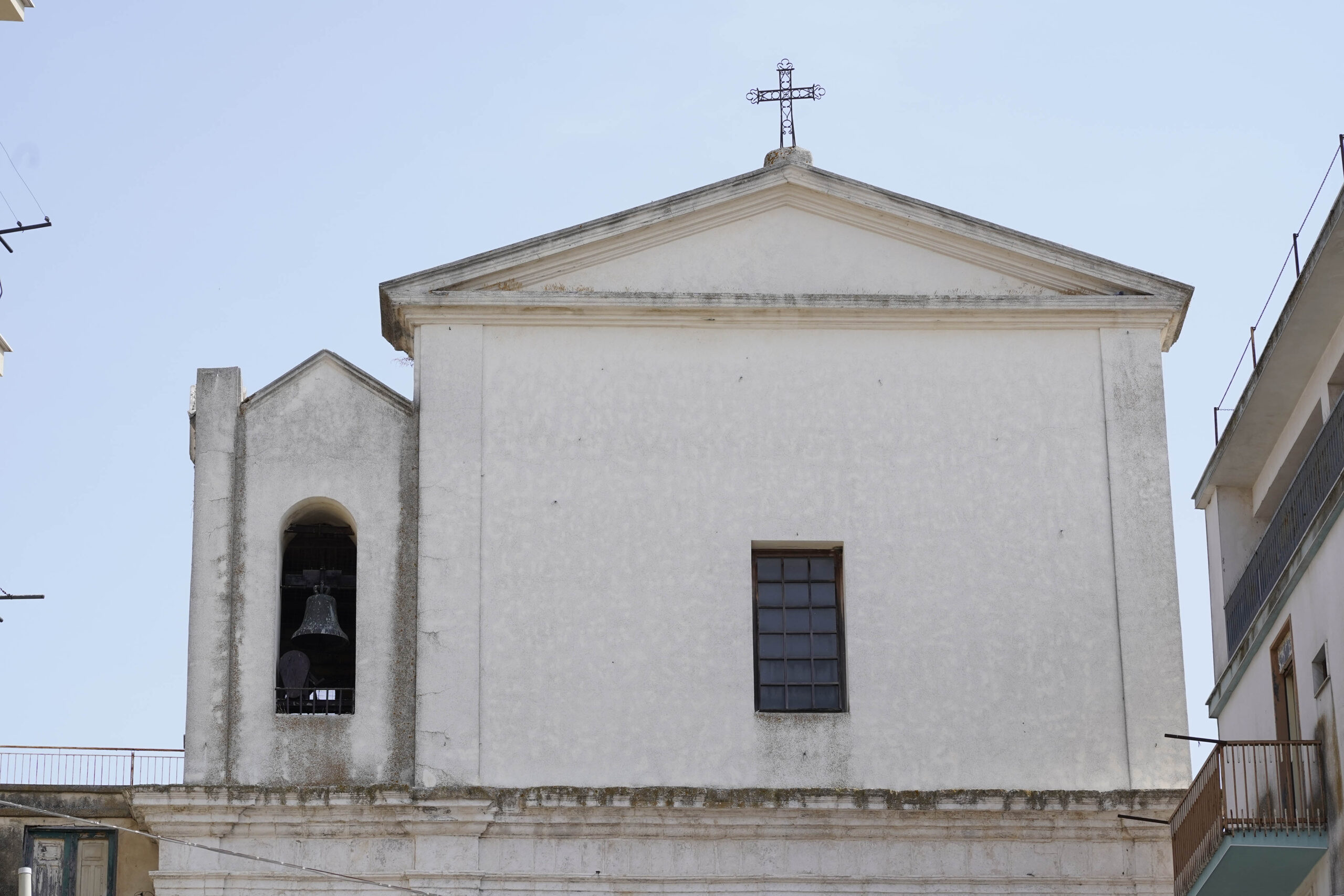
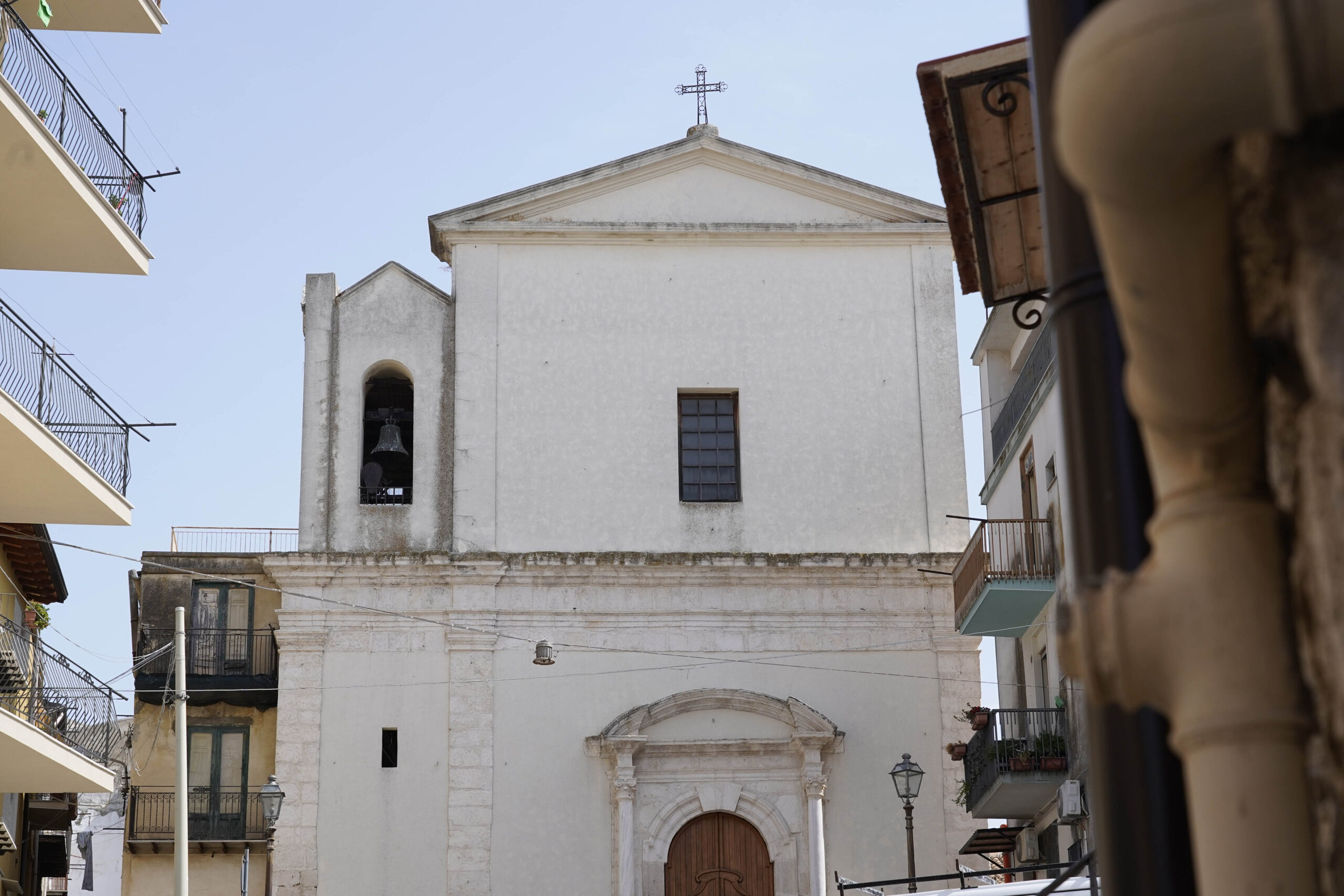
The church, with a single nave, has an elongated rectangular floor plan. It dominates the Rosary Ascent from above. The white facade is embellished with an entablature. The portal is decorated with two Corinthian columns resting on tall pedestals. In the lower part, the uniform white surface is interrupted by three pillars that define The church elevation and bell tower[3]. The upper part is crowned by a tympanum.
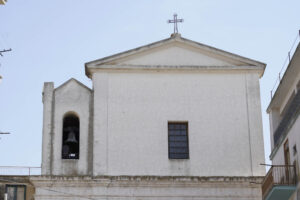
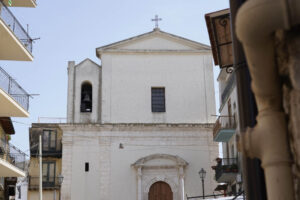
Church of St. John
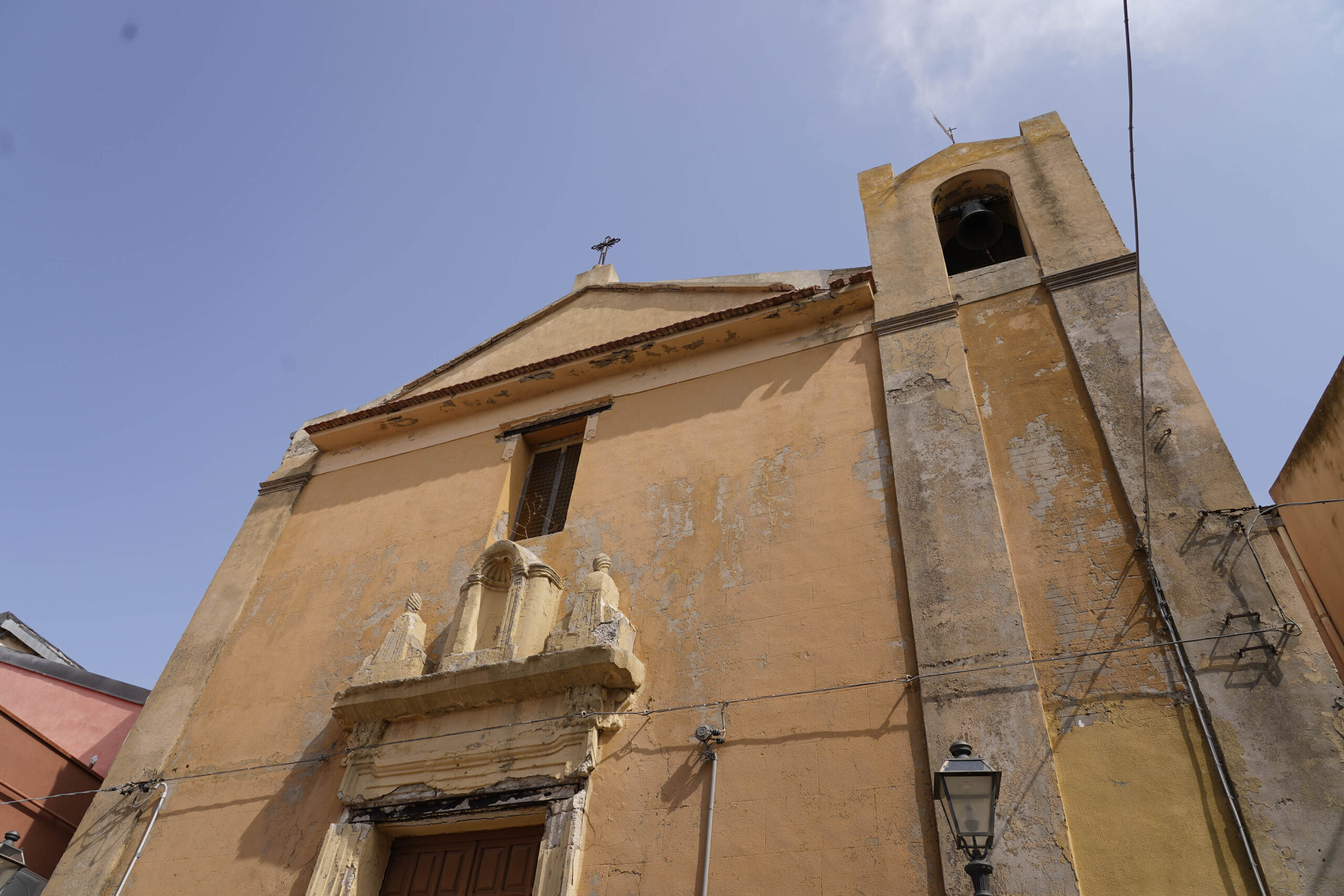
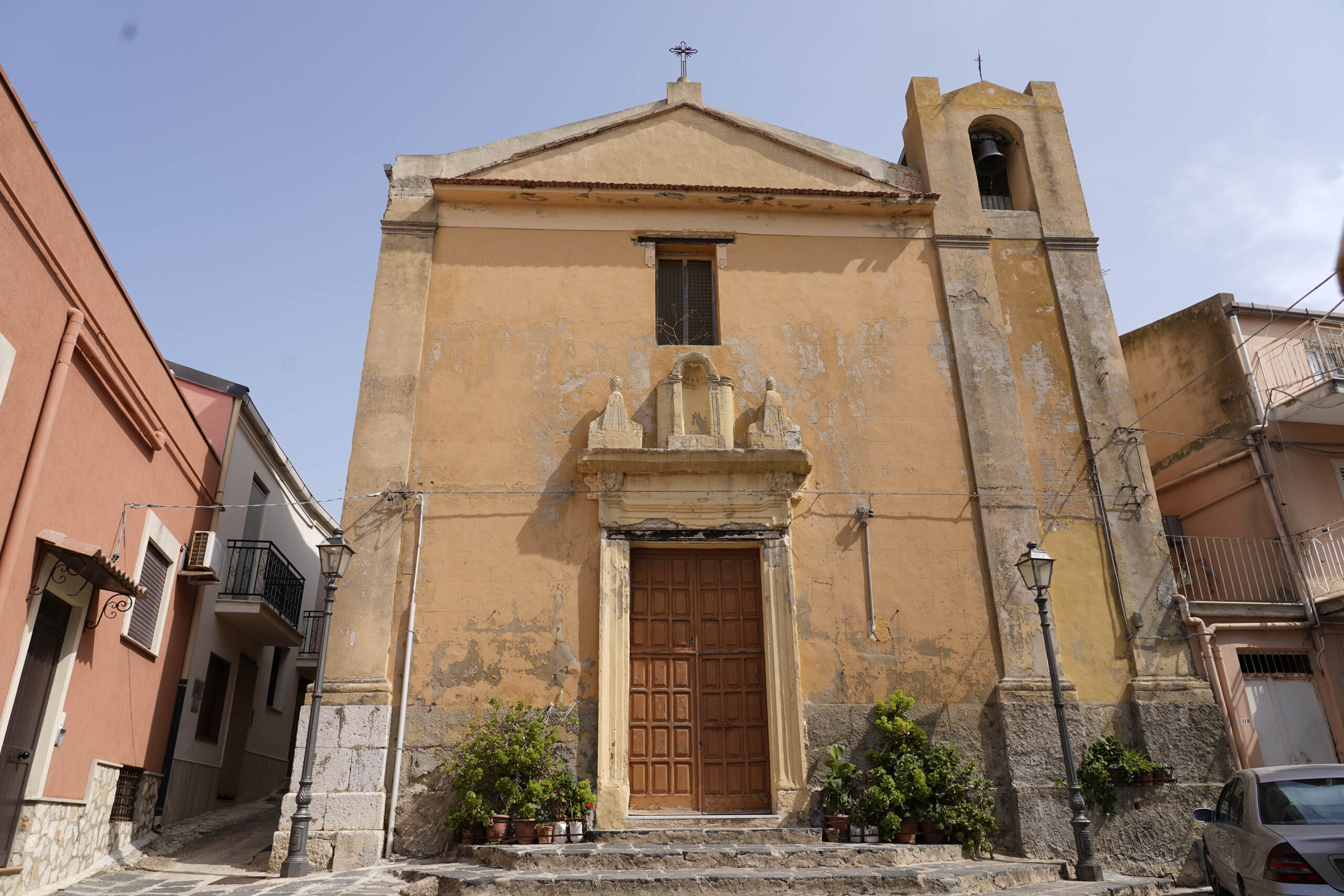
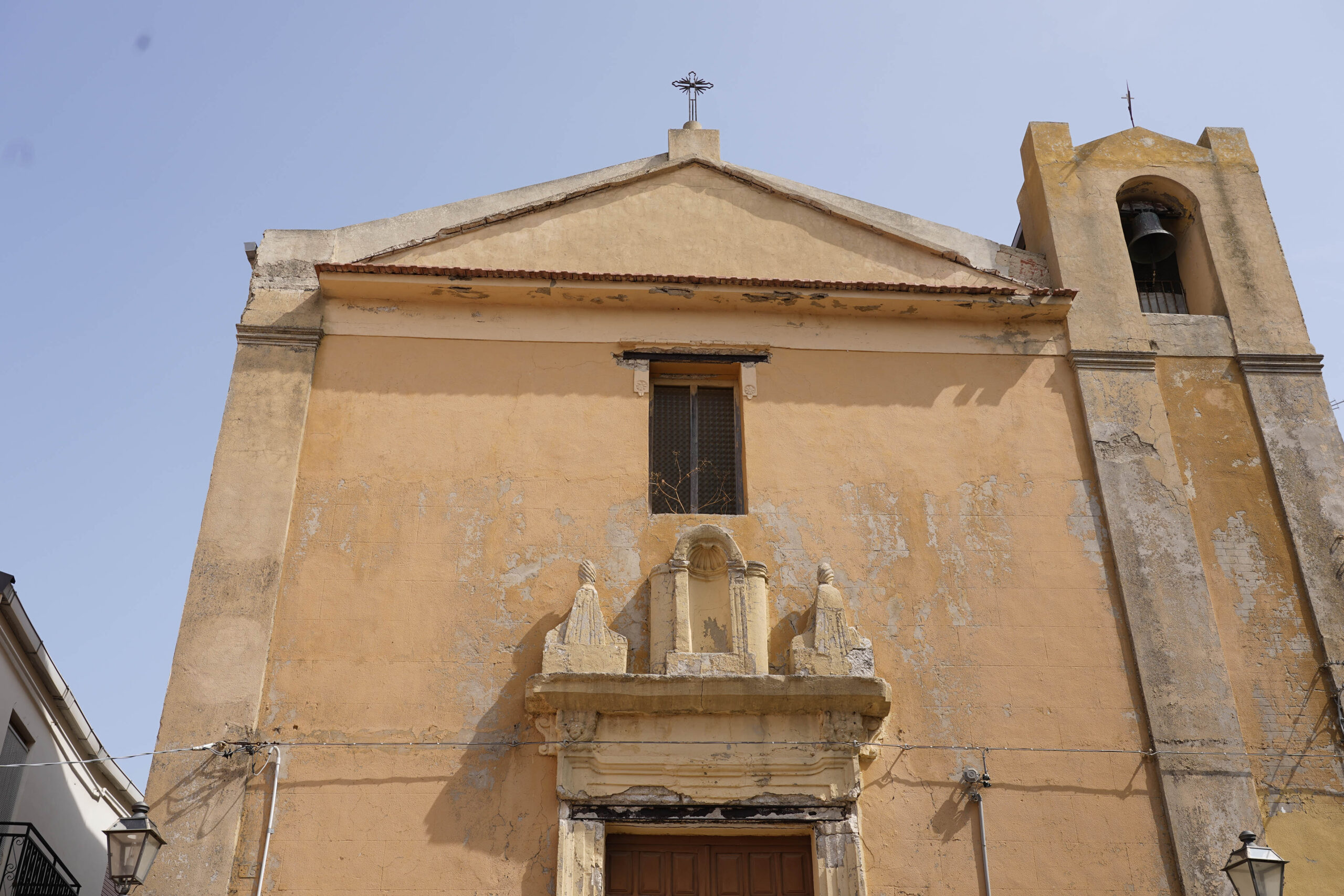
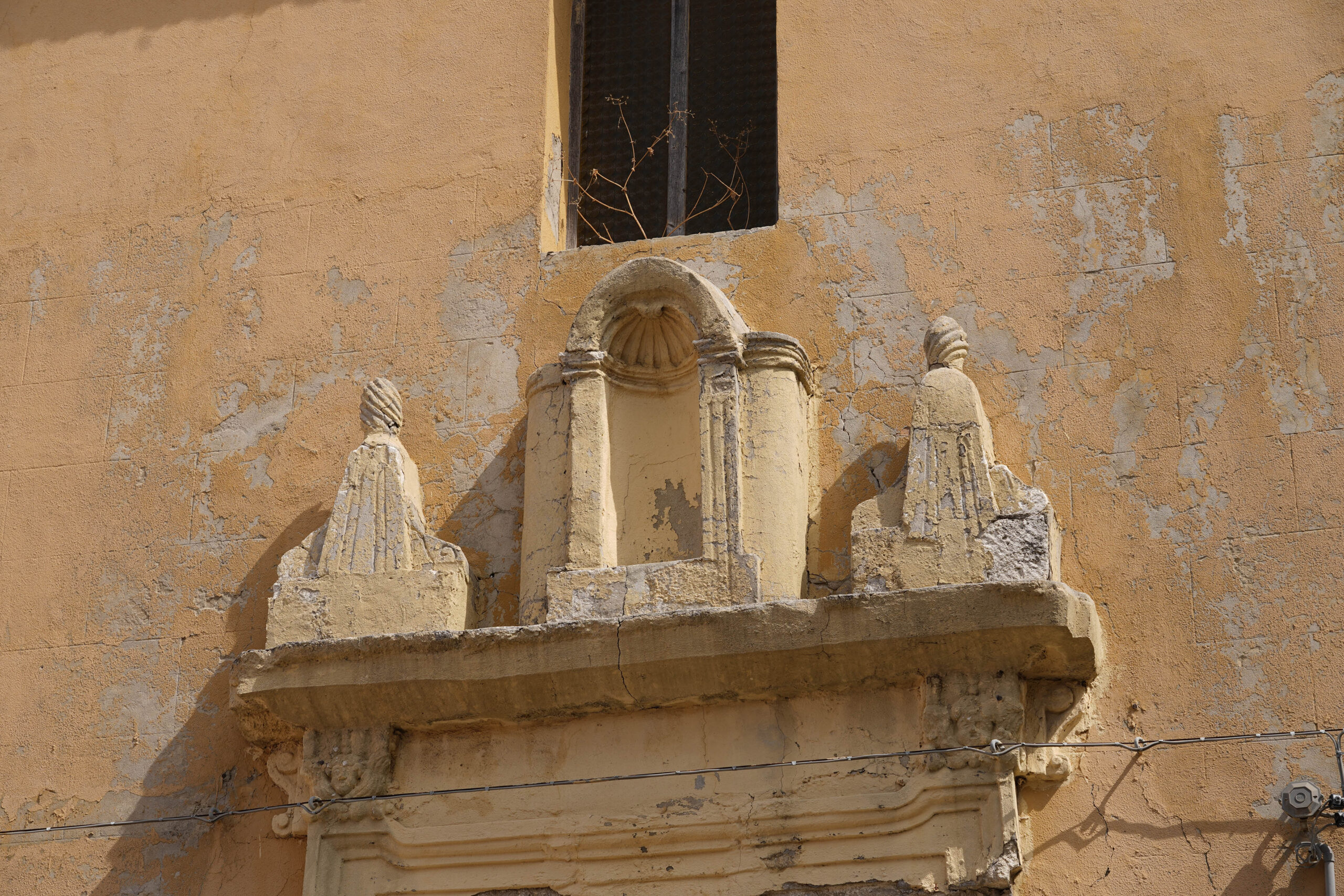
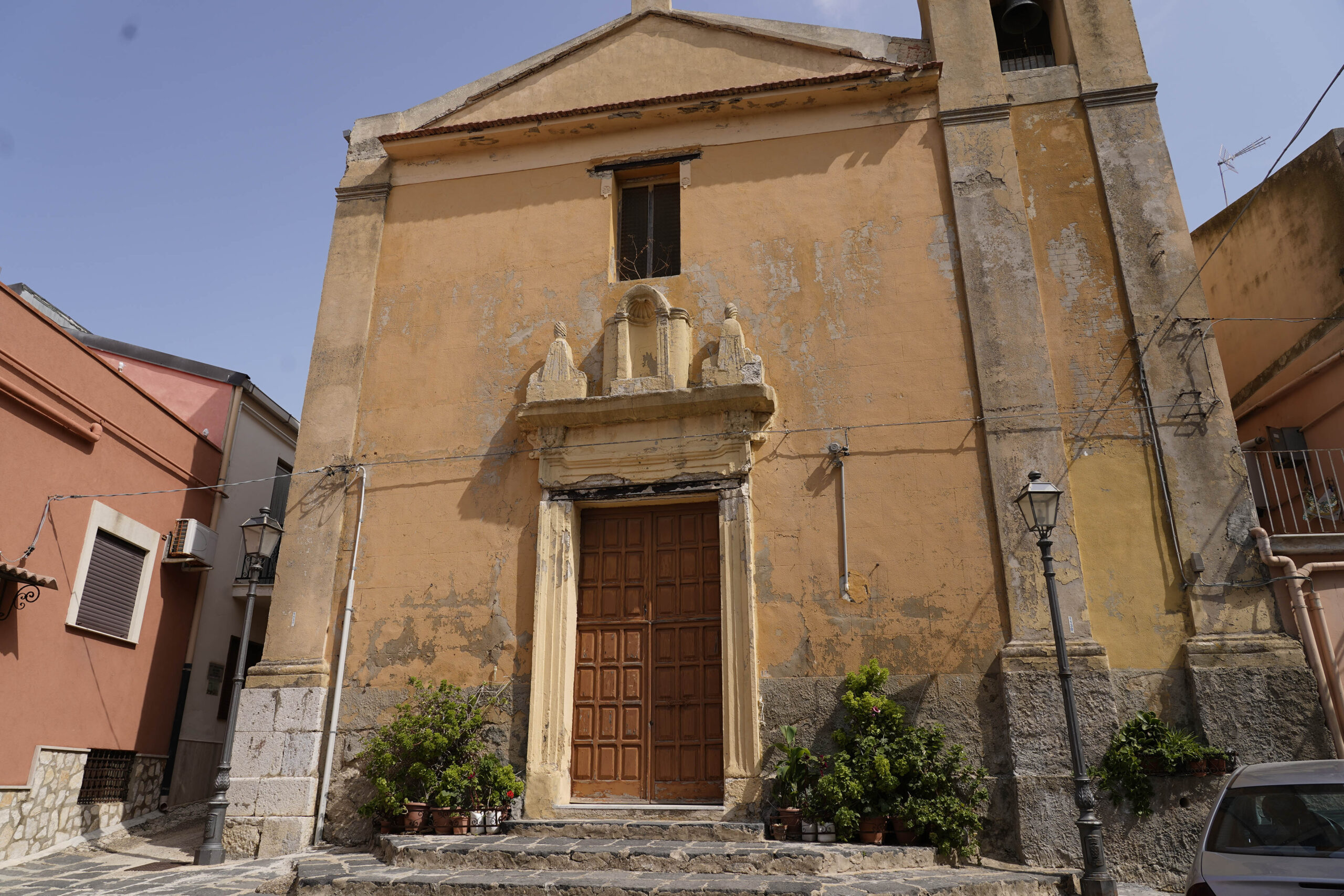
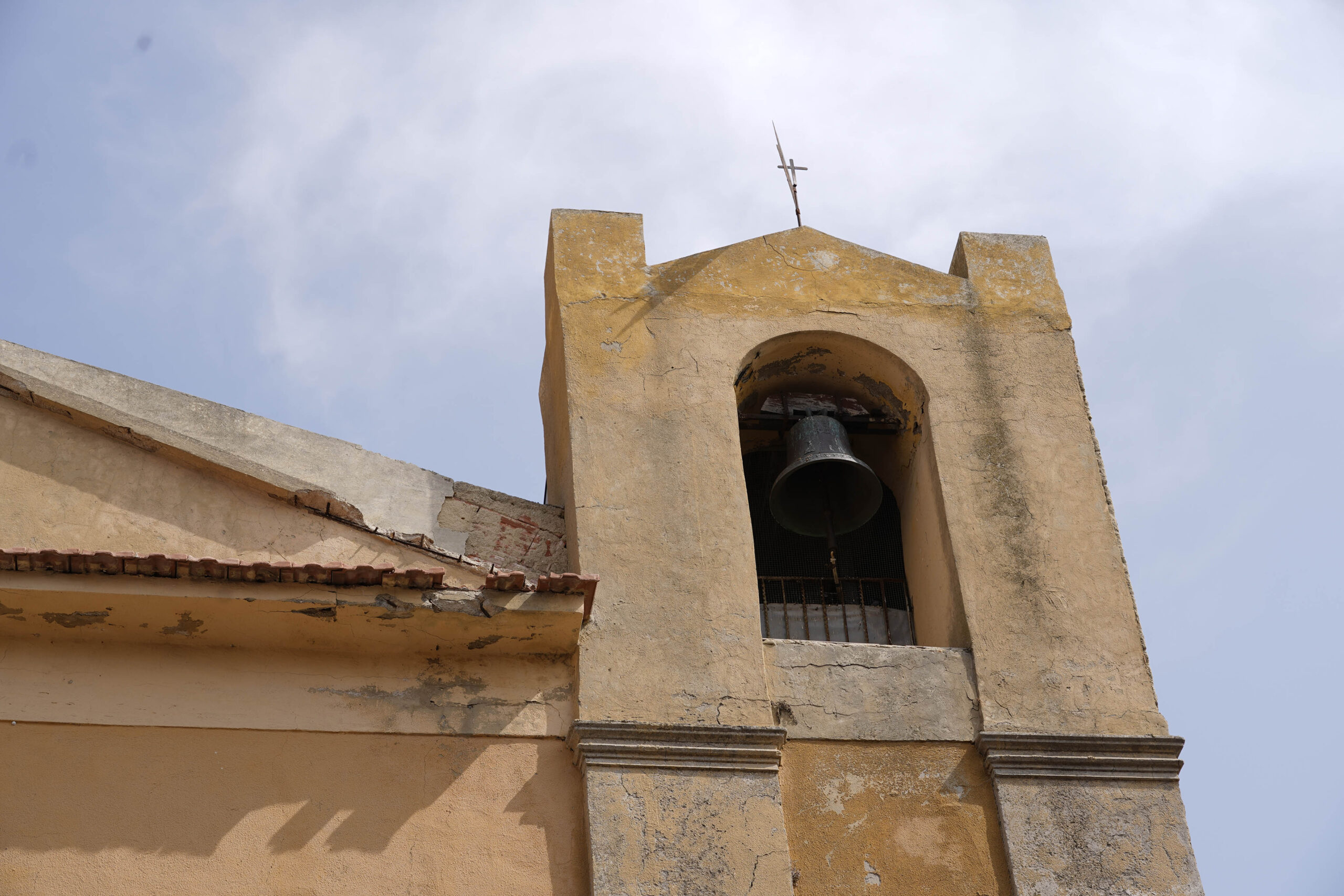
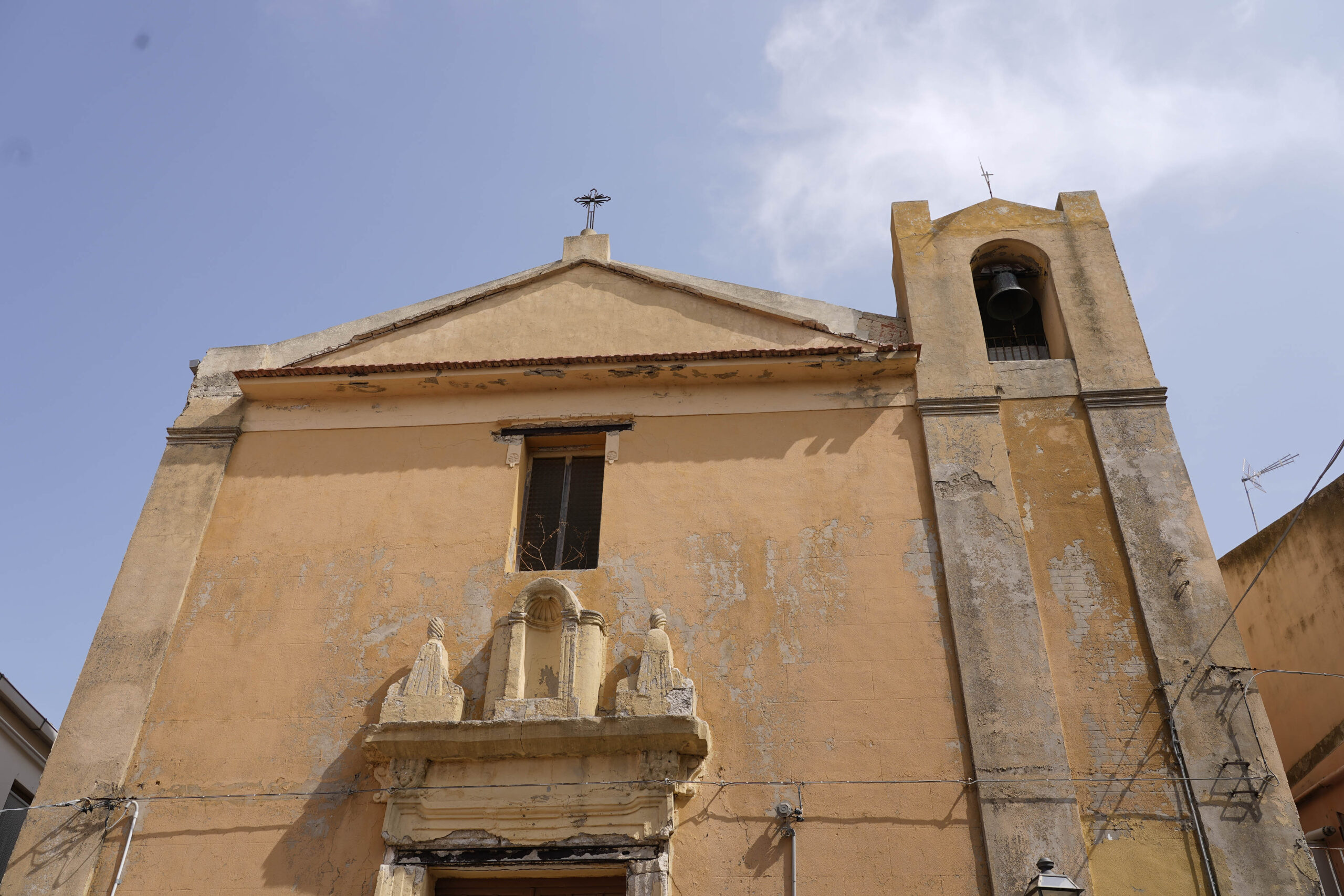
Our Lady of Mount Carmel Church
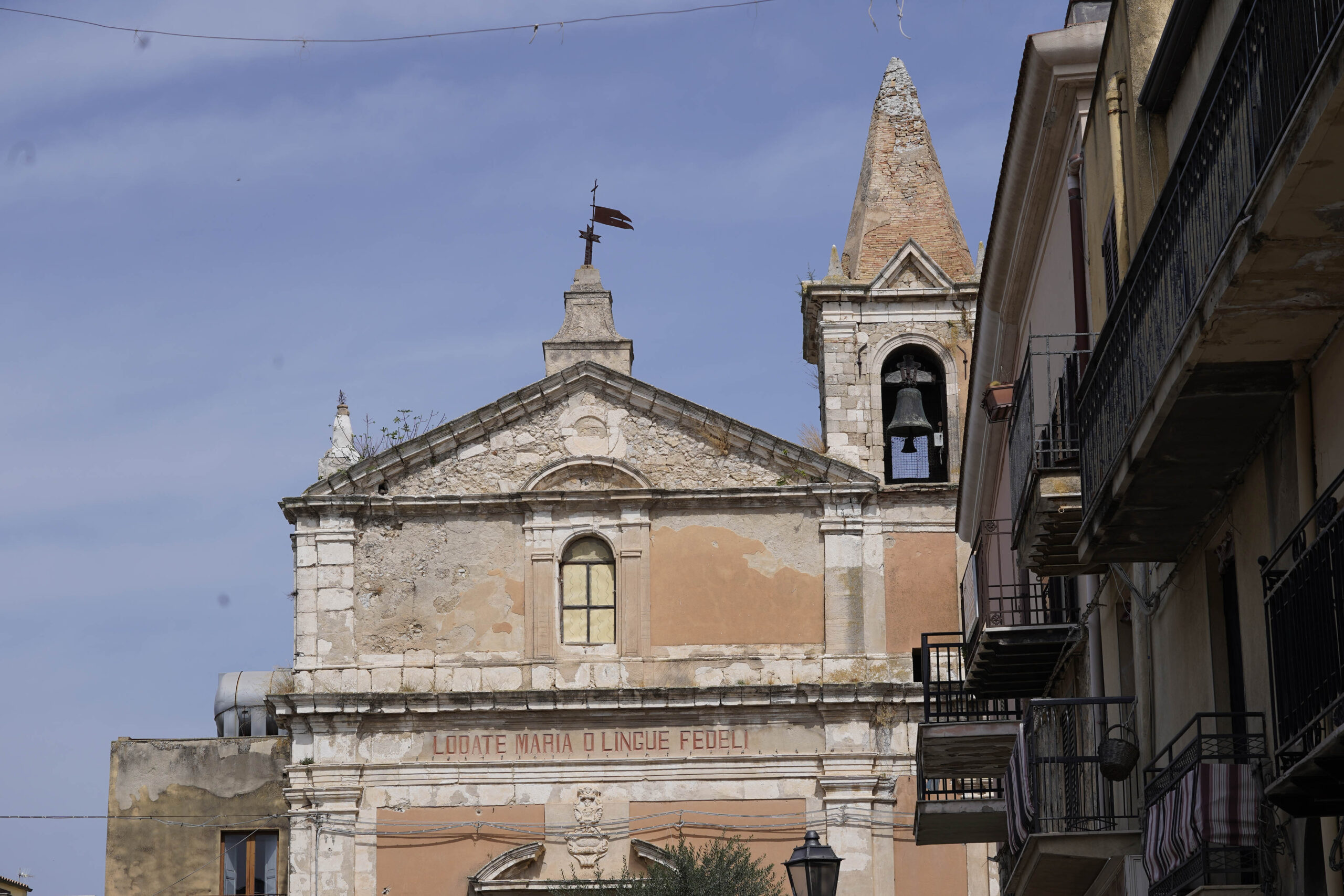
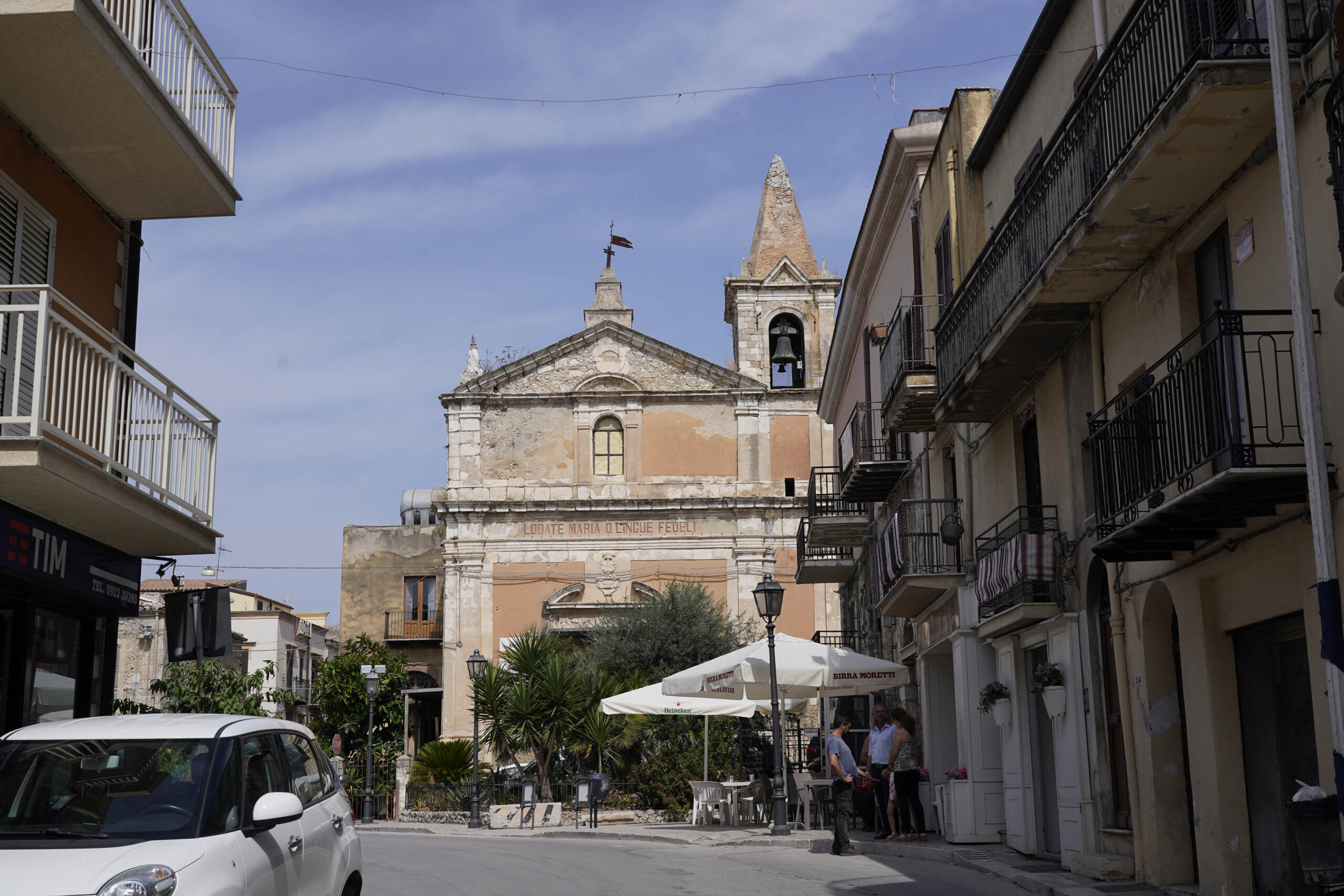
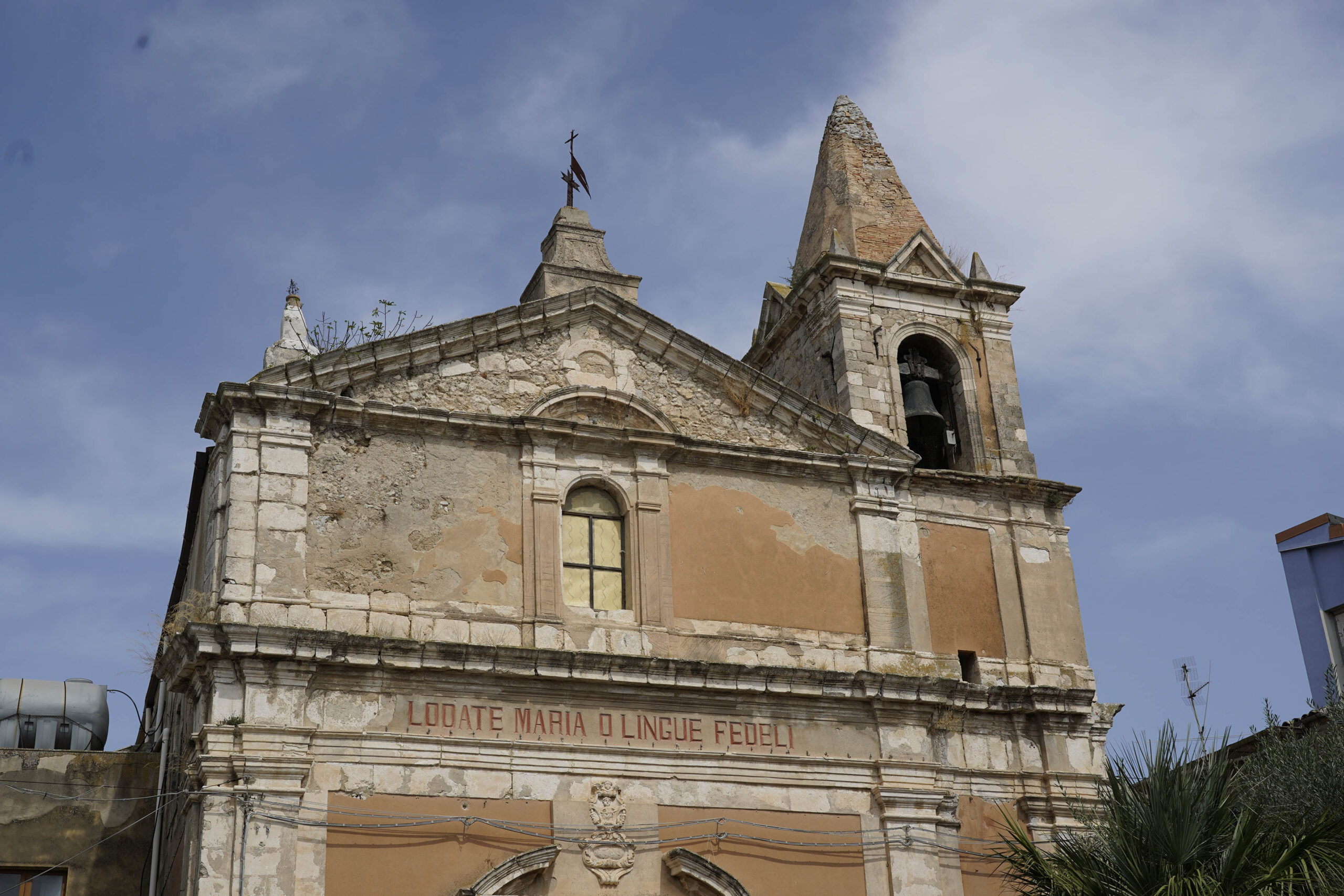
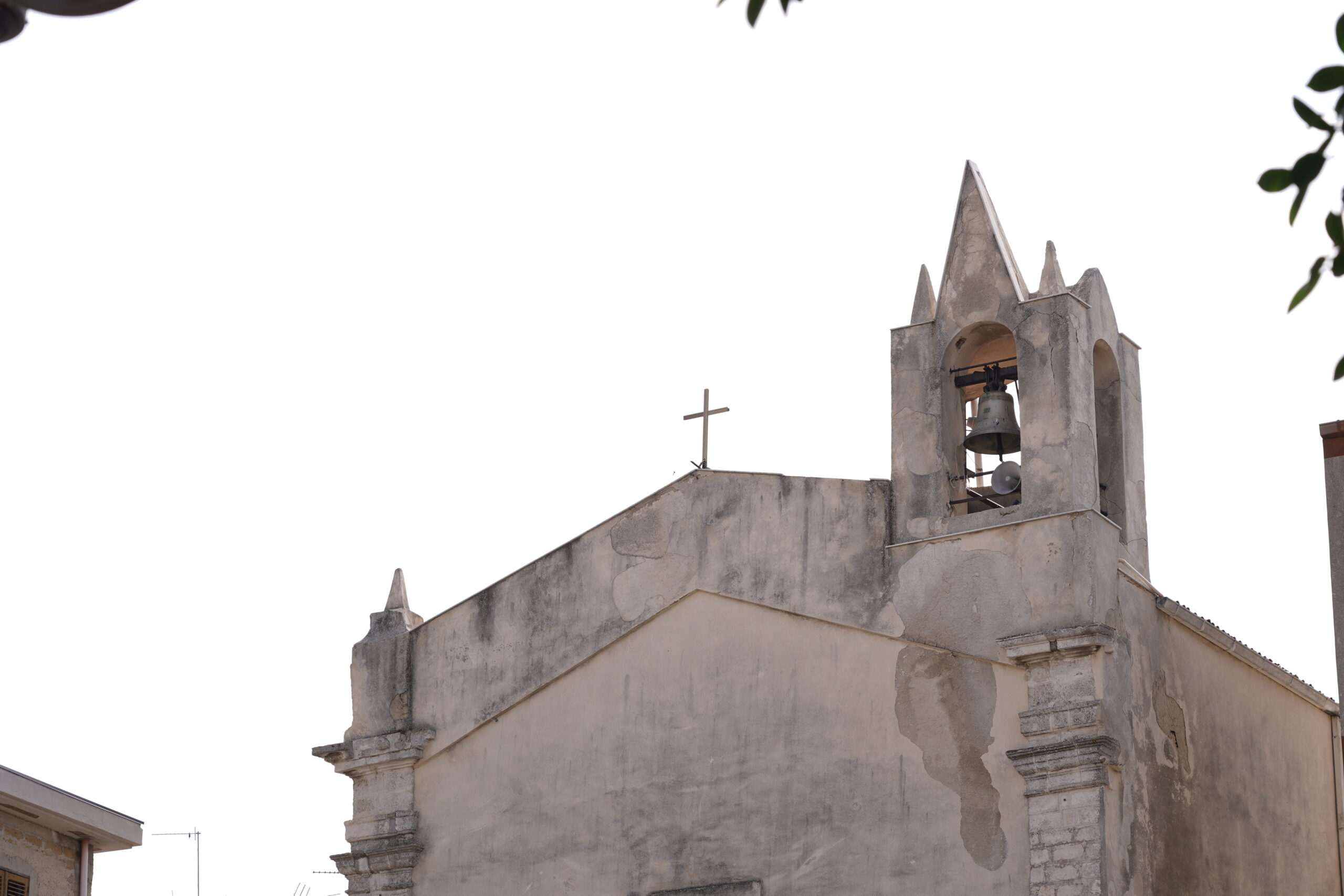
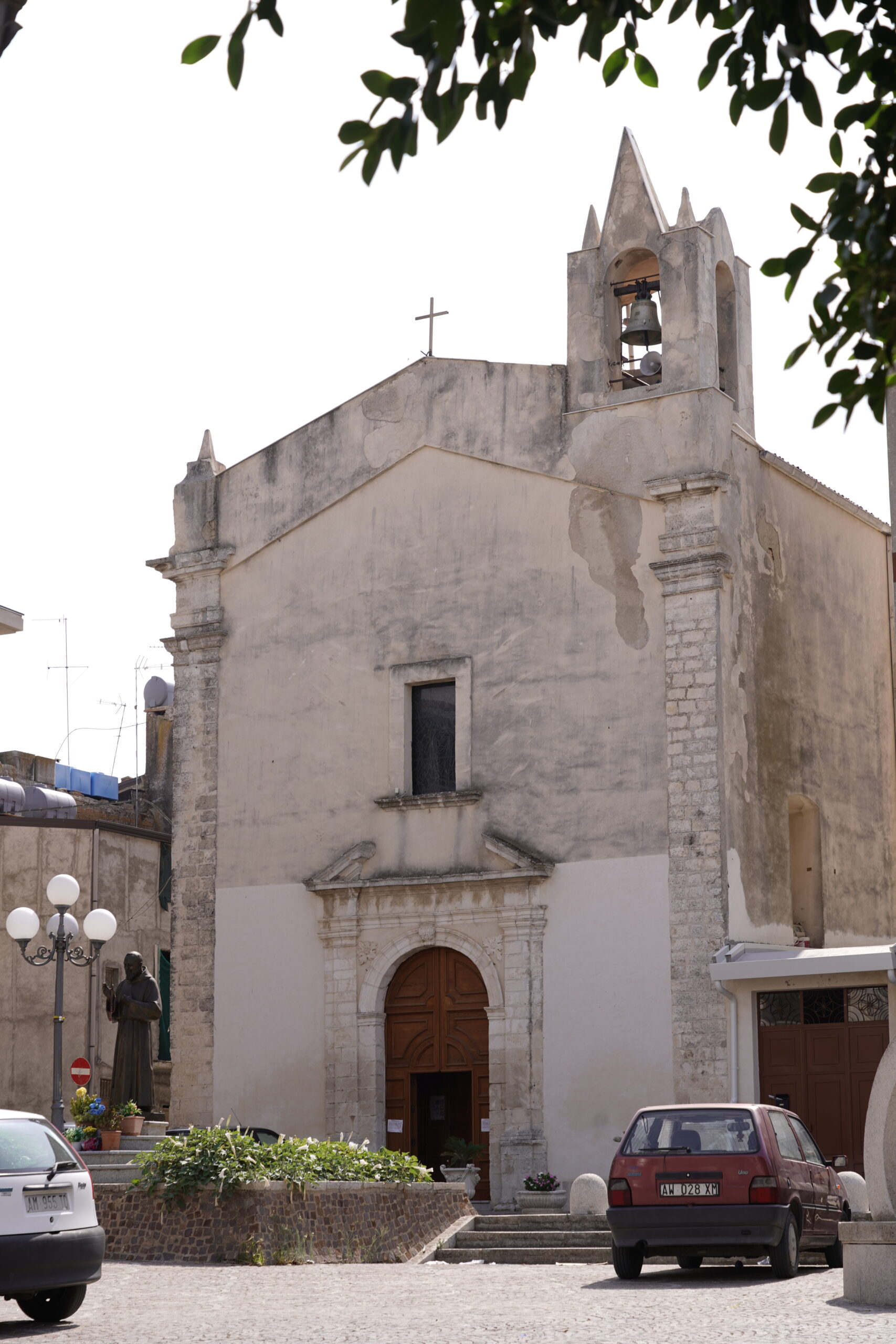
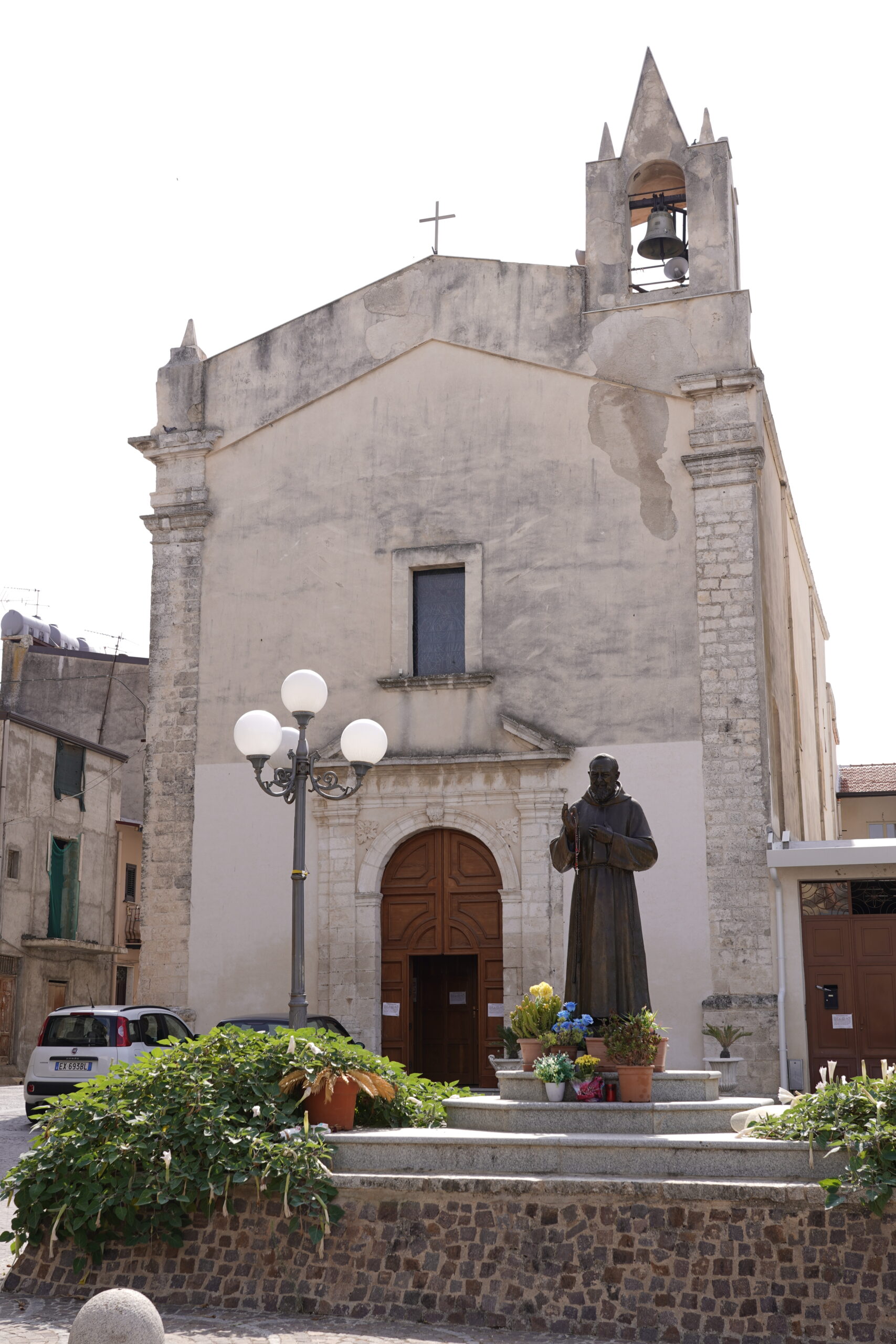
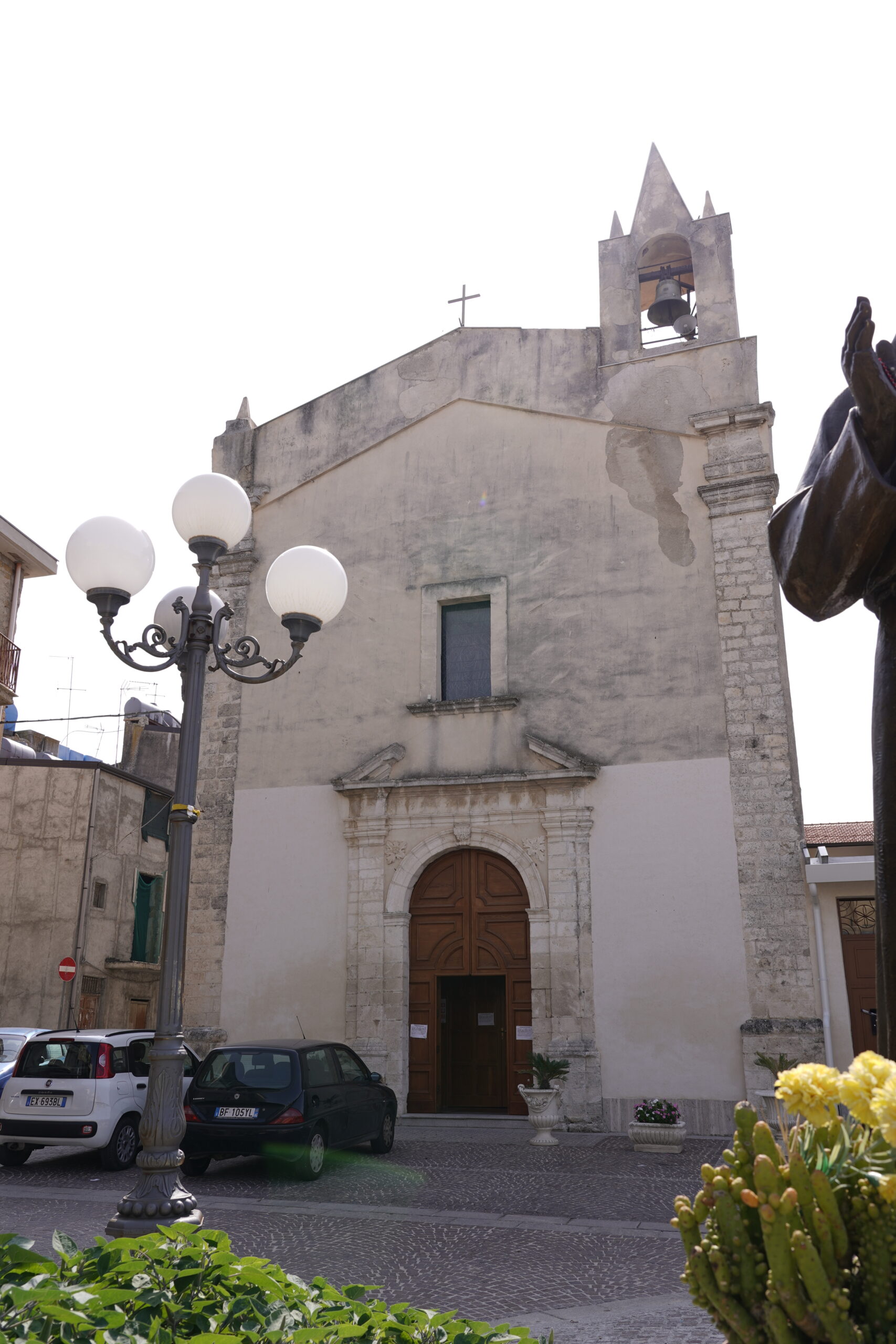
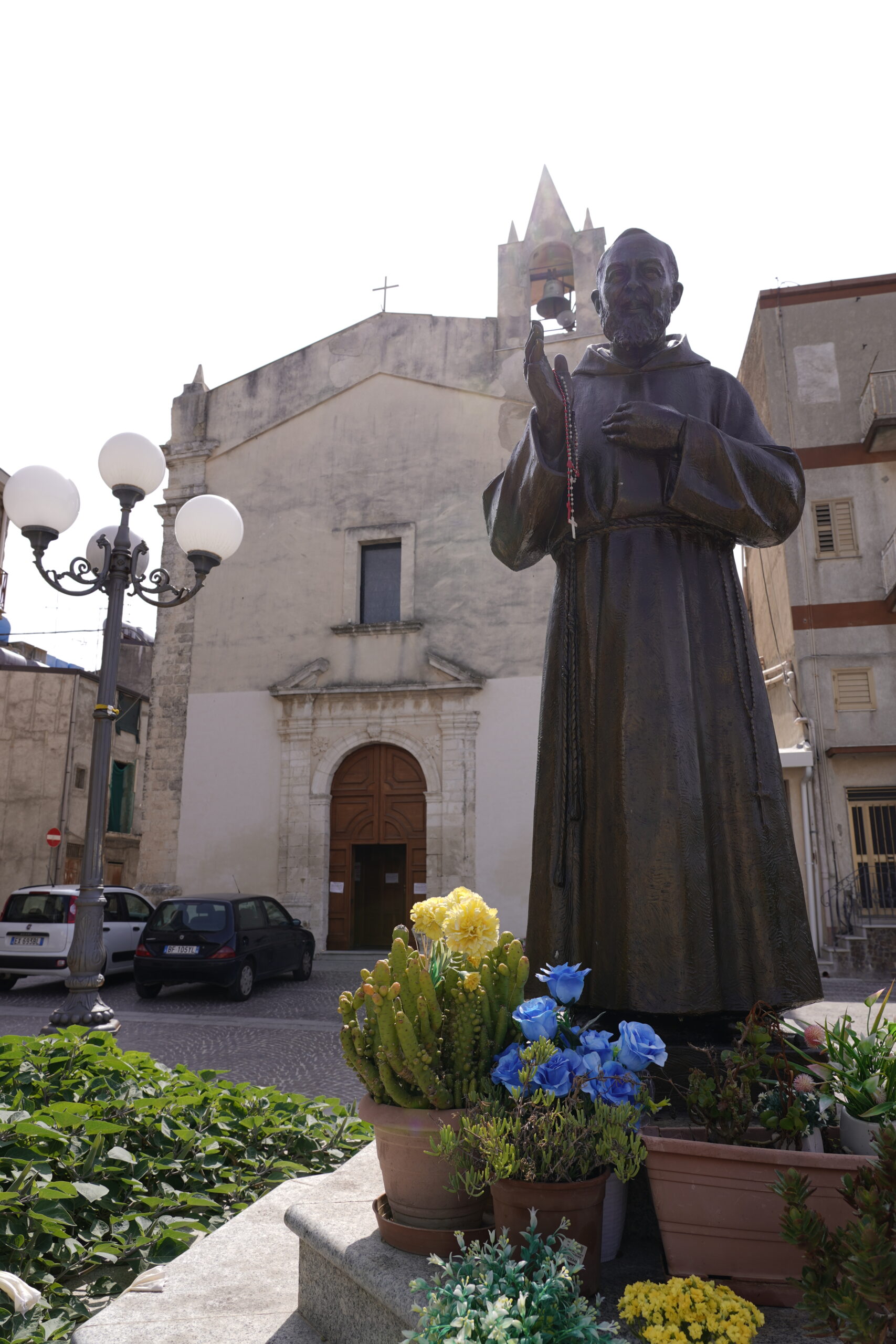
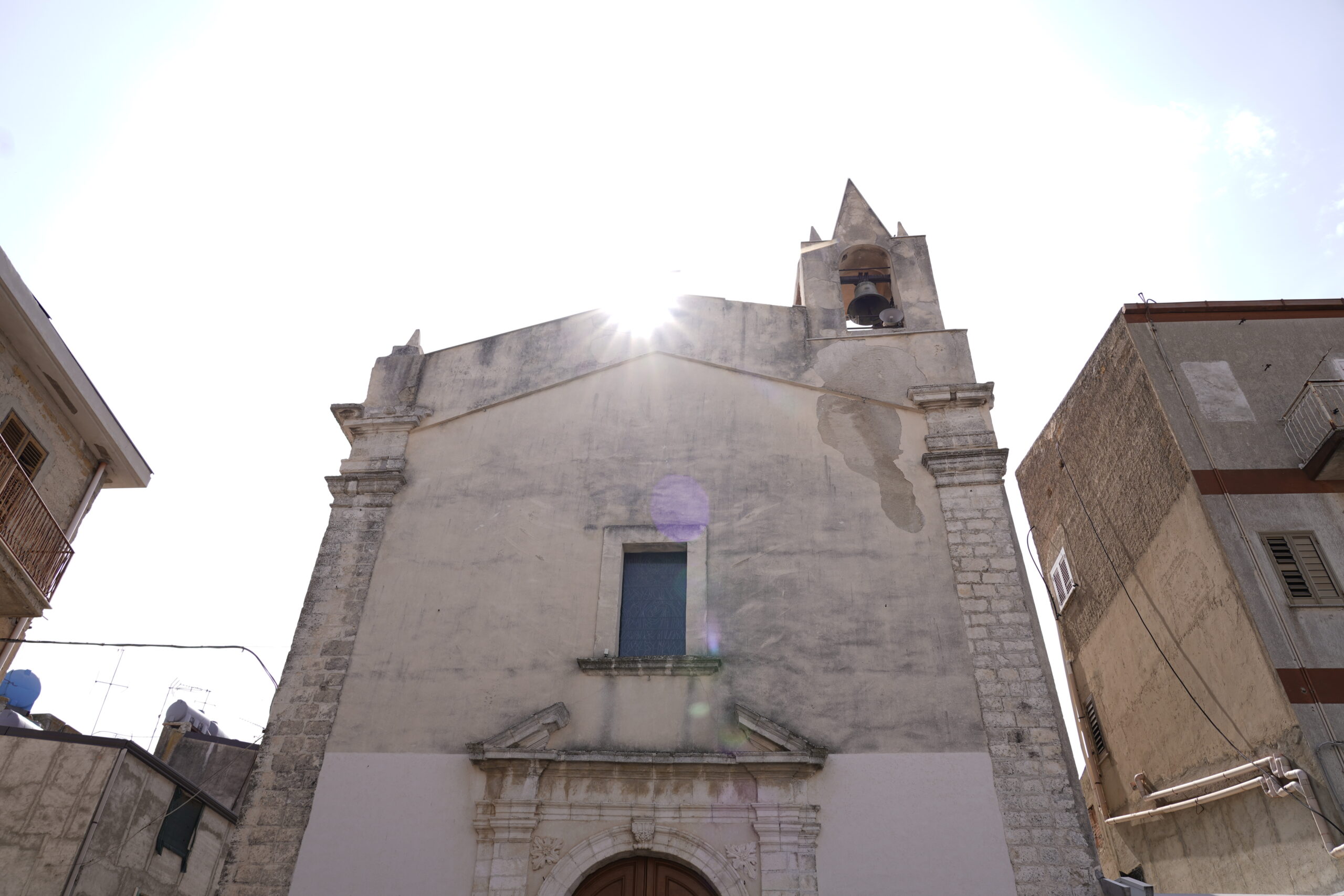
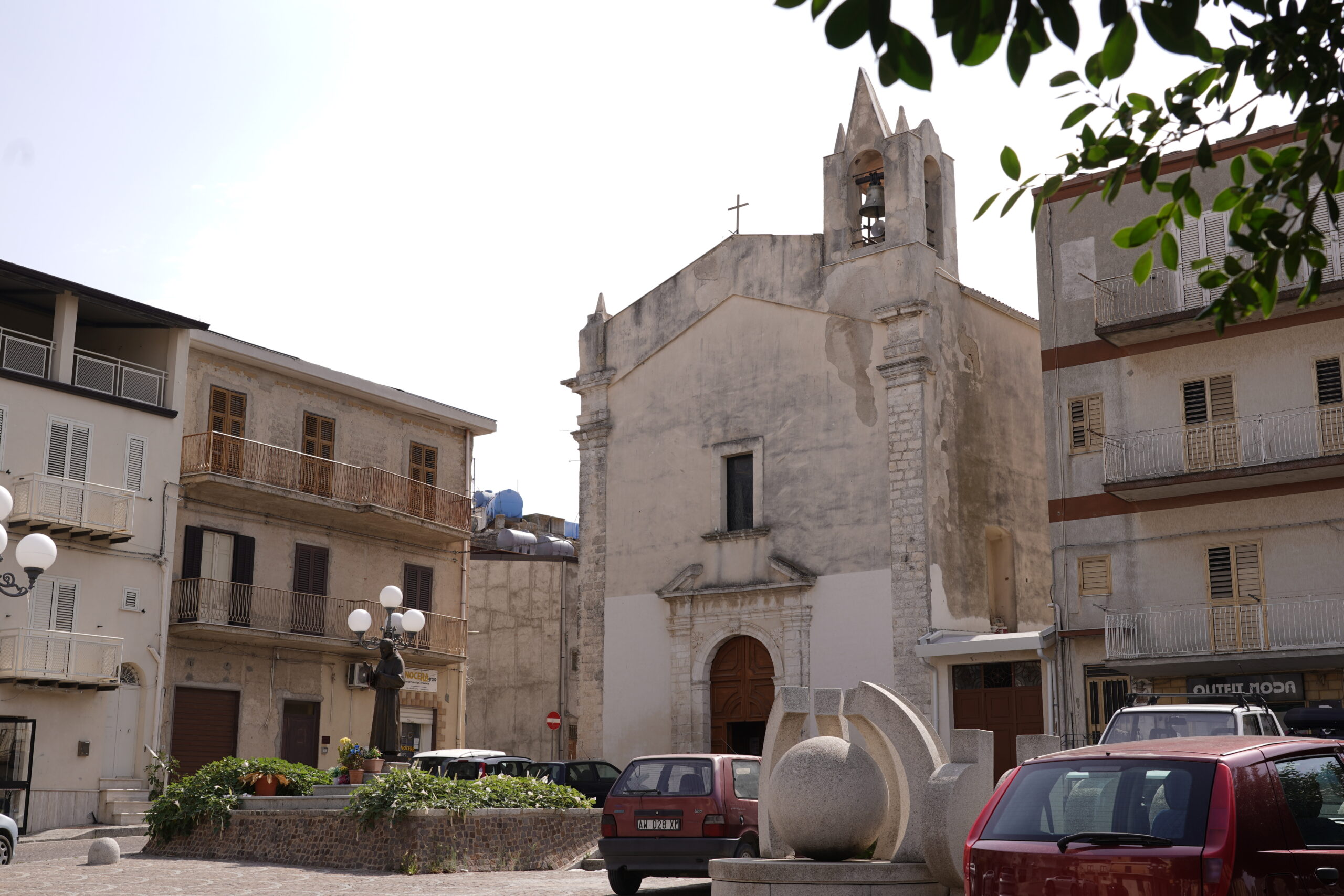
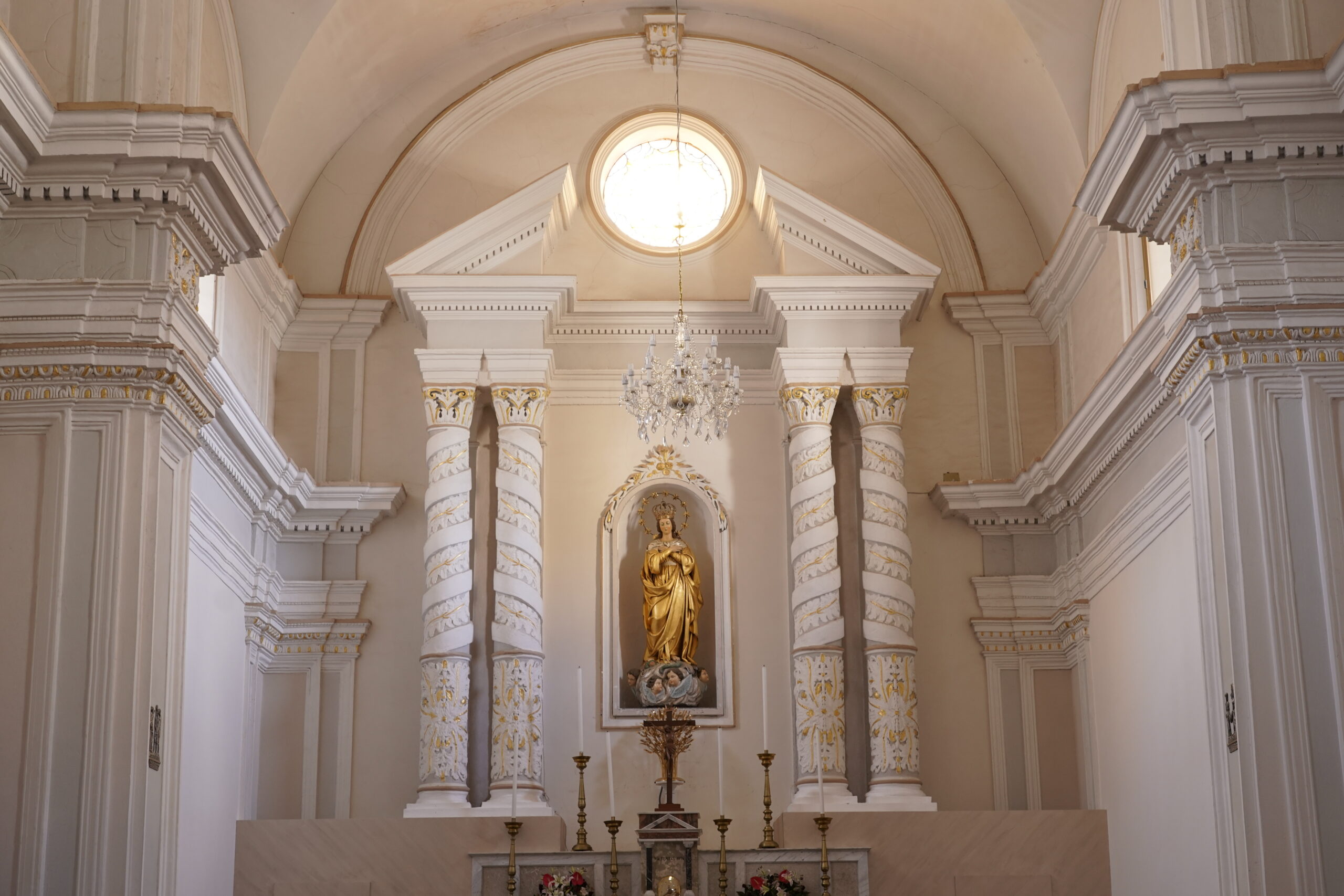
St. Anthony of Padua Church
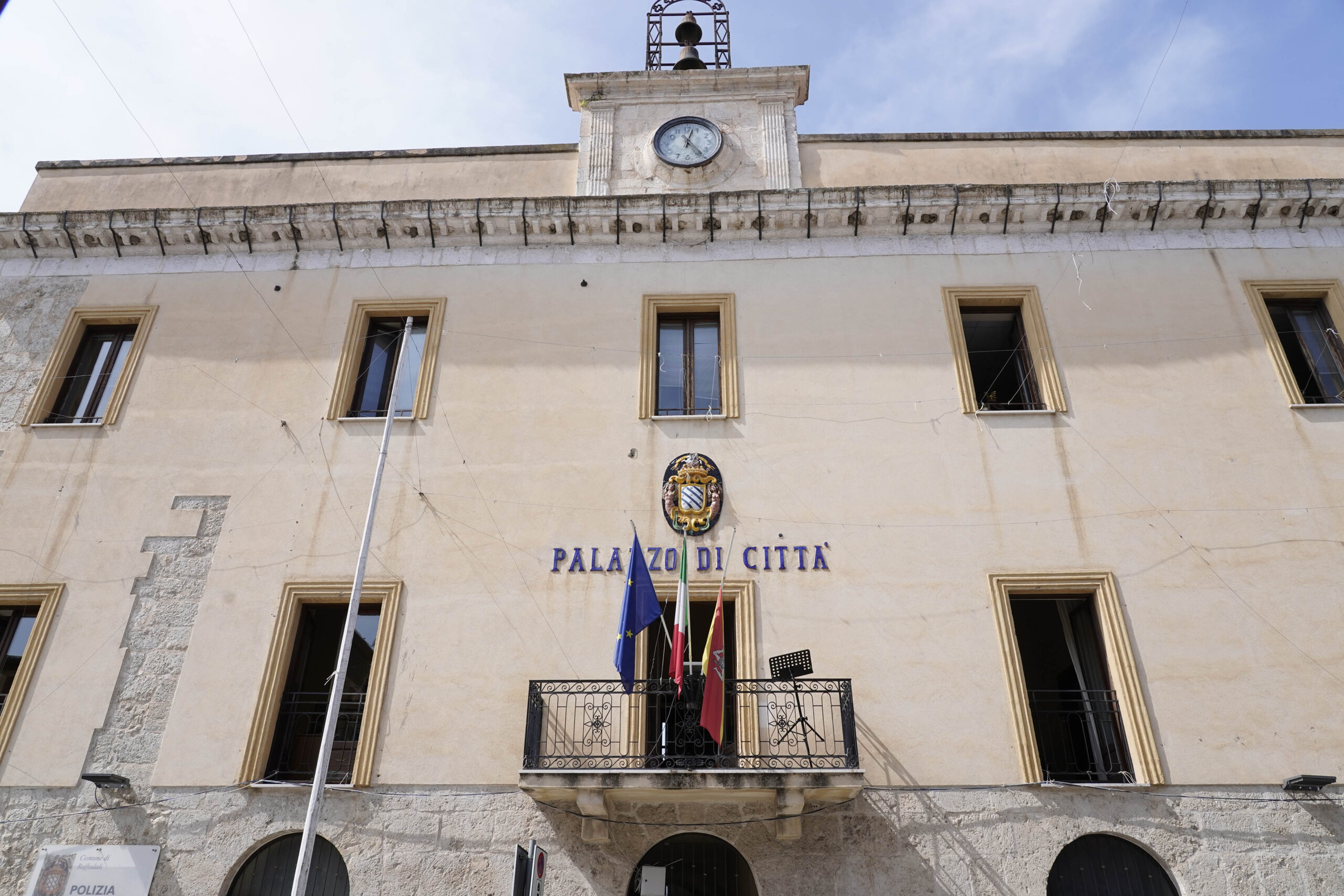
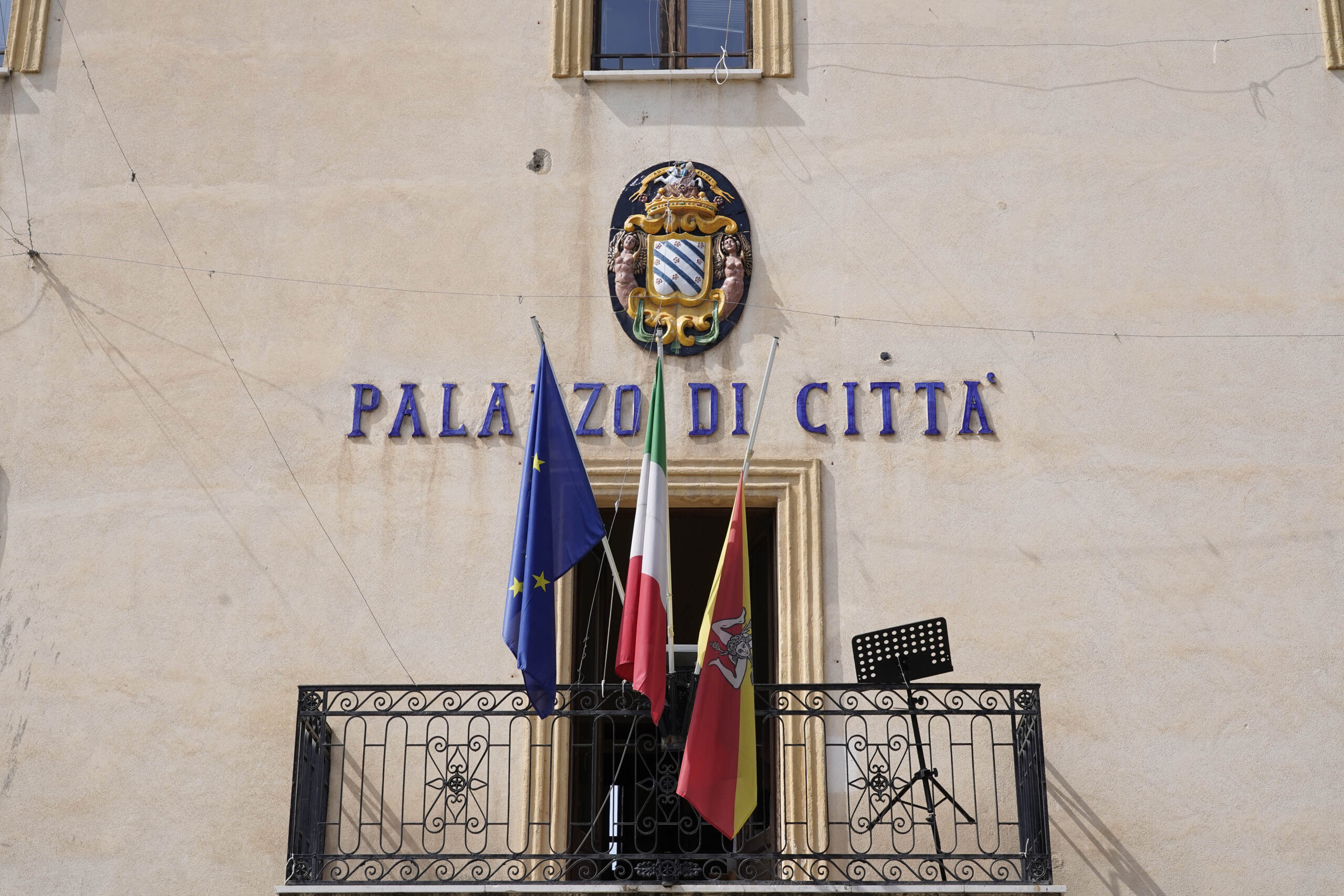
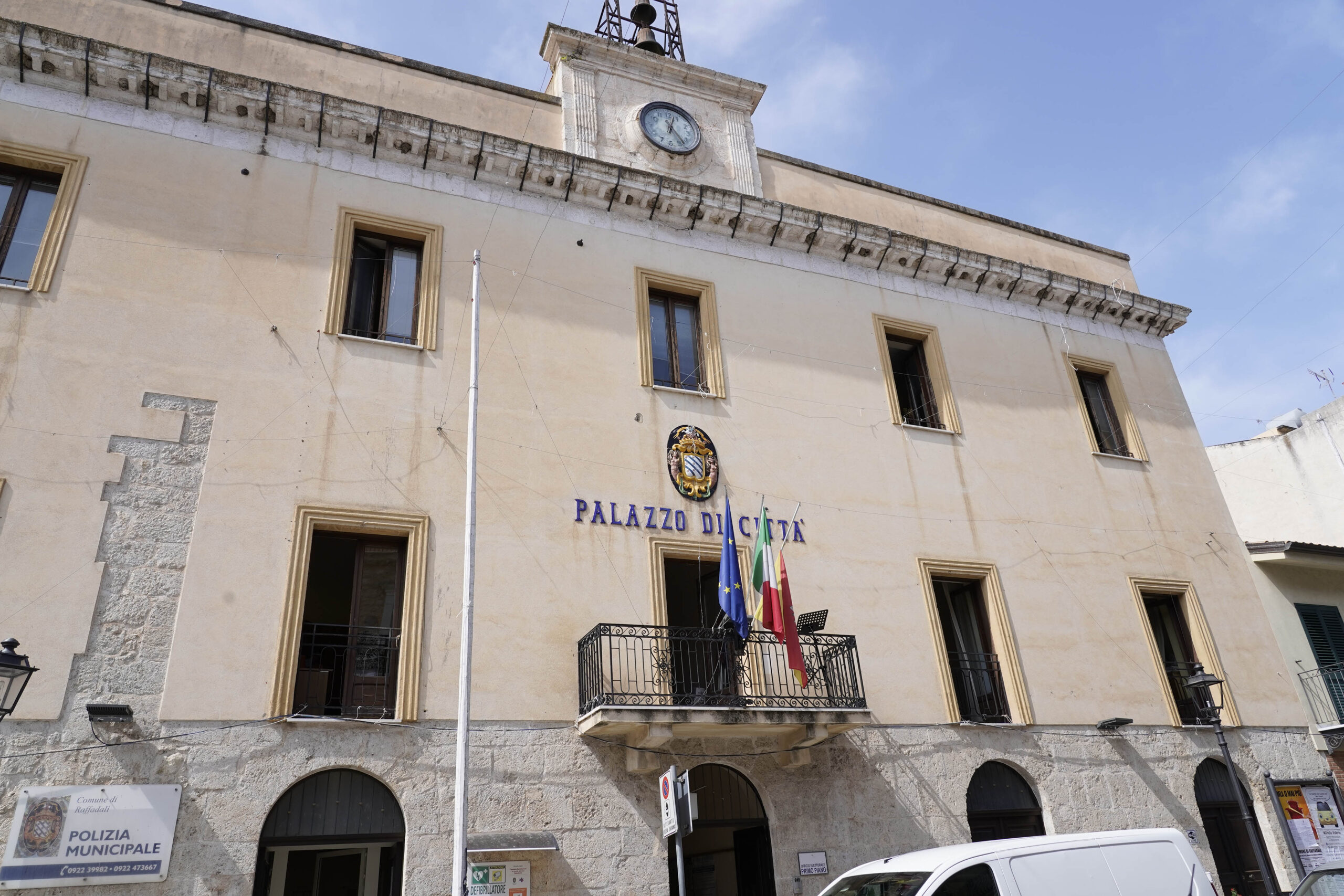
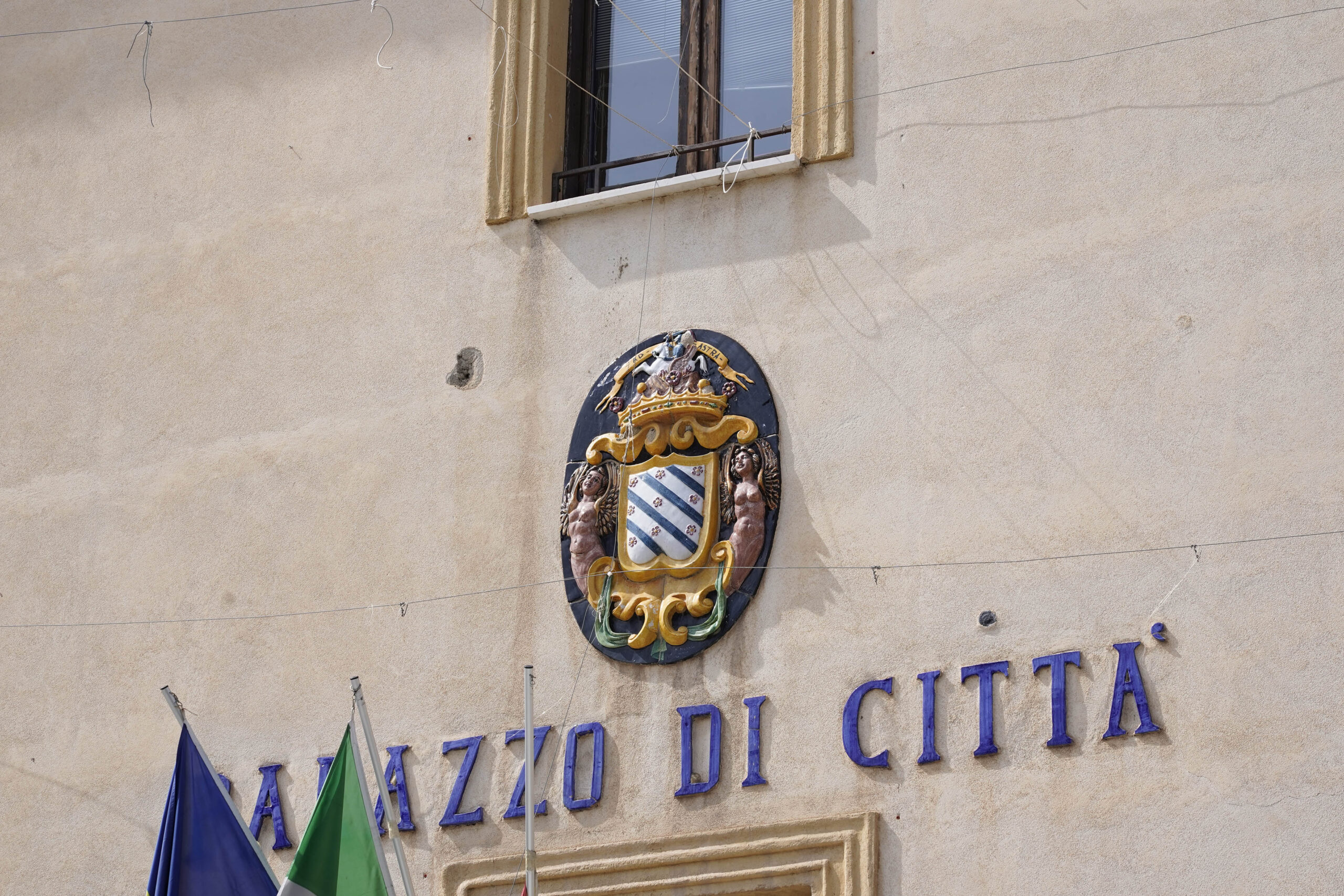
City Palace
There are about five small chapels in Raffadali, each located in a neighborhood of the town, which are now dilapidated with the exception of the Pieta Chapel, located in the central district.
There are also two sacred shrines dedicated to Our Lady with the Infant Jesus and located in Porta Agrigento Street and Porta Palermo Street.
As for civil architecture to visit is the Prince’s Palace, formerly the residence of the princes of Montaperto. Built in the 8th century it later suffered the destruction of one of the towers and battlements. The basement contains ancient torture machines used by the princes of Montaperto and a tunnel that connected the residence to the mother church.
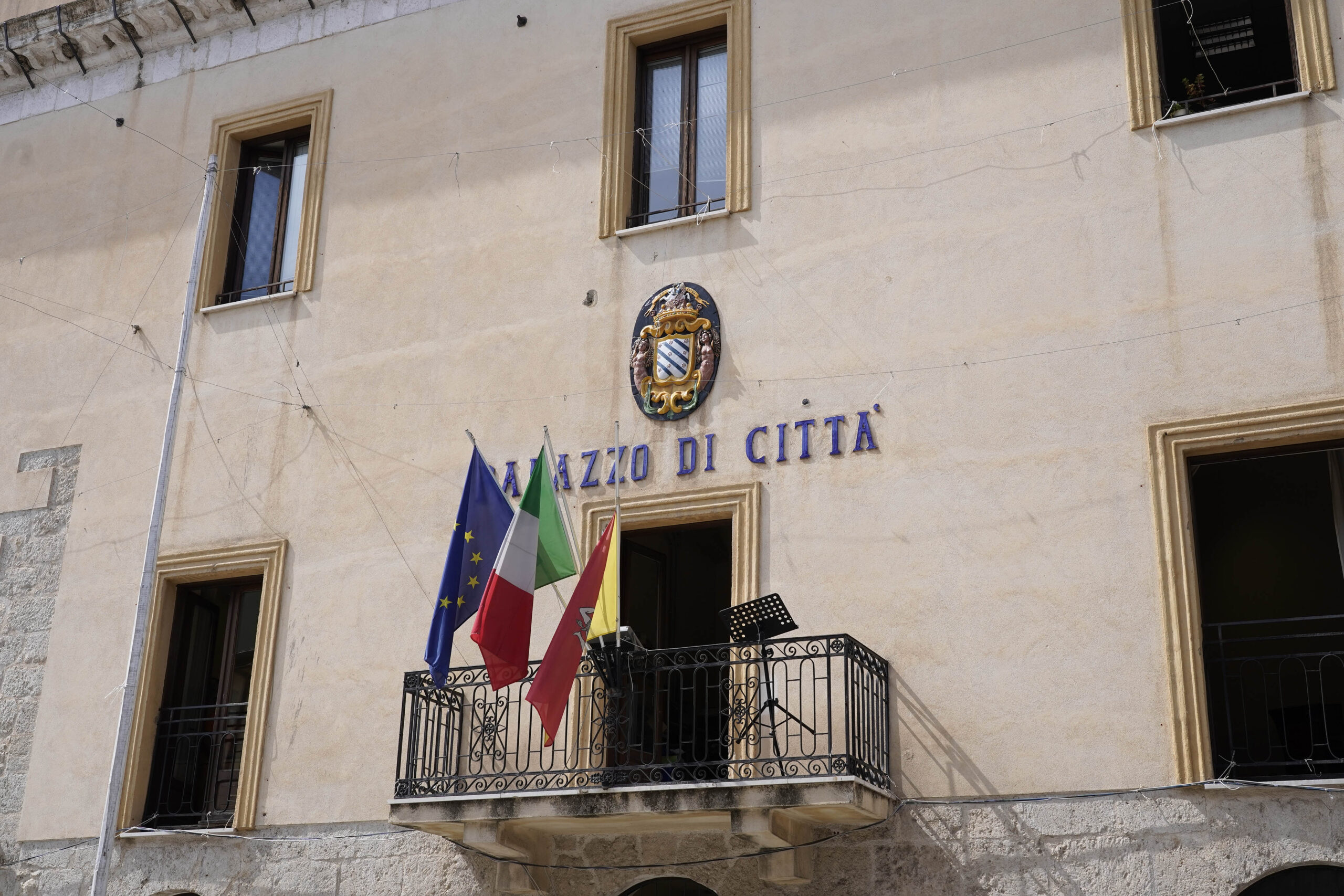
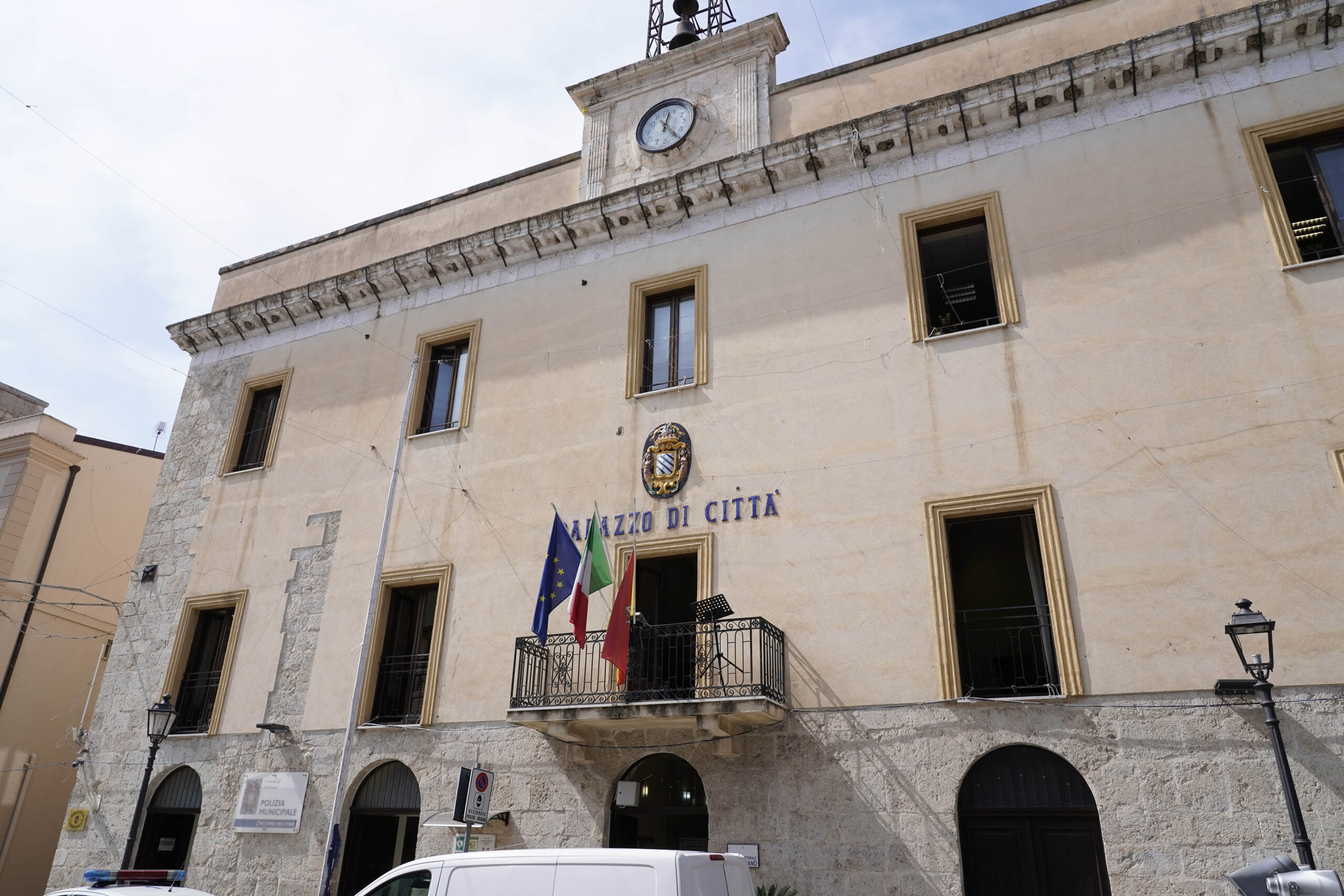
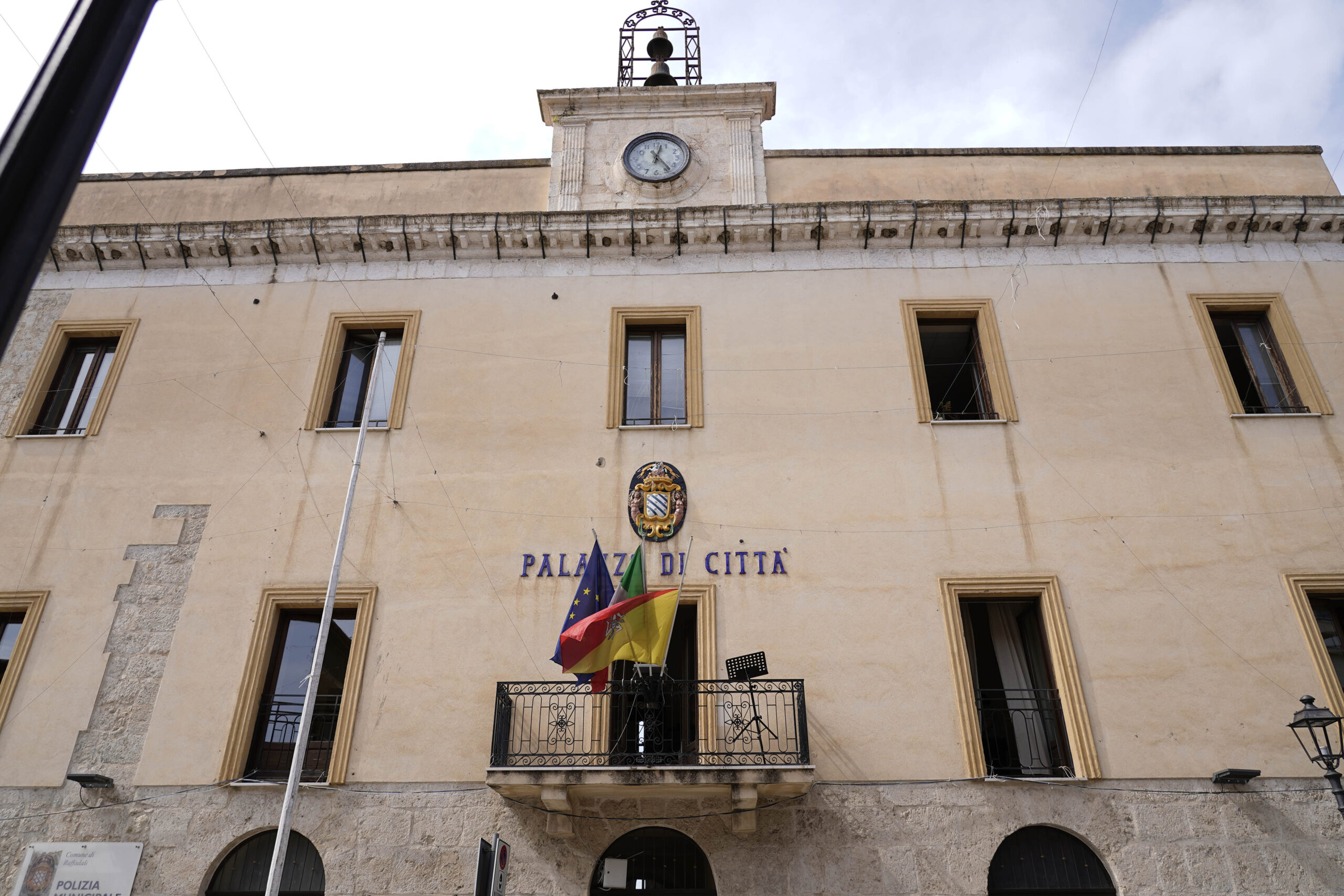
Also worth visiting is the Town Hall, seat of Raffadali’s municipality, on whose facade is the town’s coat of arms.